
Nobody in professional sport needs convincing that recovery matters. The research is clear. The protocols exist. The plans are written. The problem is never the plan.
The problem comes when the week gets difficult. Accumulated load, short turnarounds, travel plus twenty-five athletes needing attention, and fewer minutes and fewer hands to deliver it. That is when recovery becomes hardest to execute, and it is exactly when it matters most.
The interventions that suffer first are the ones that require their own time, space, equipment, supervision, or athlete compliance. A dedicated session needs scheduling. A piece of equipment needs setting up, storing, distributing, and supervising. A protocol that works well in a controlled environment becomes harder to deliver across a squad the moment conditions tighten. And in-season, conditions tighten every week.
So, compromises get made. Recovery becomes what can be done between other obligations. The interventions that survive are the ones embedded in time that already exists: a bike flush after the game, a cool-down after practice, compression garments handed out for overnight use. Everything that needed its own slot gets trialled once and quietly dropped.
Recovery remains prescribed. Execution becomes the problem.
Why adding more recovery is not the answer
Most recovery tools add complexity at exactly the moment there is no time for it. Another session, another piece of equipment, another protocol that works when everything is in place, which it rarely is. Each one requires minutes, setup, and decisions from a staff that is already stretched.
The answer cannot always be to do more. The bigger opportunity is making the recovery work that is already happening physiologically more valuable.
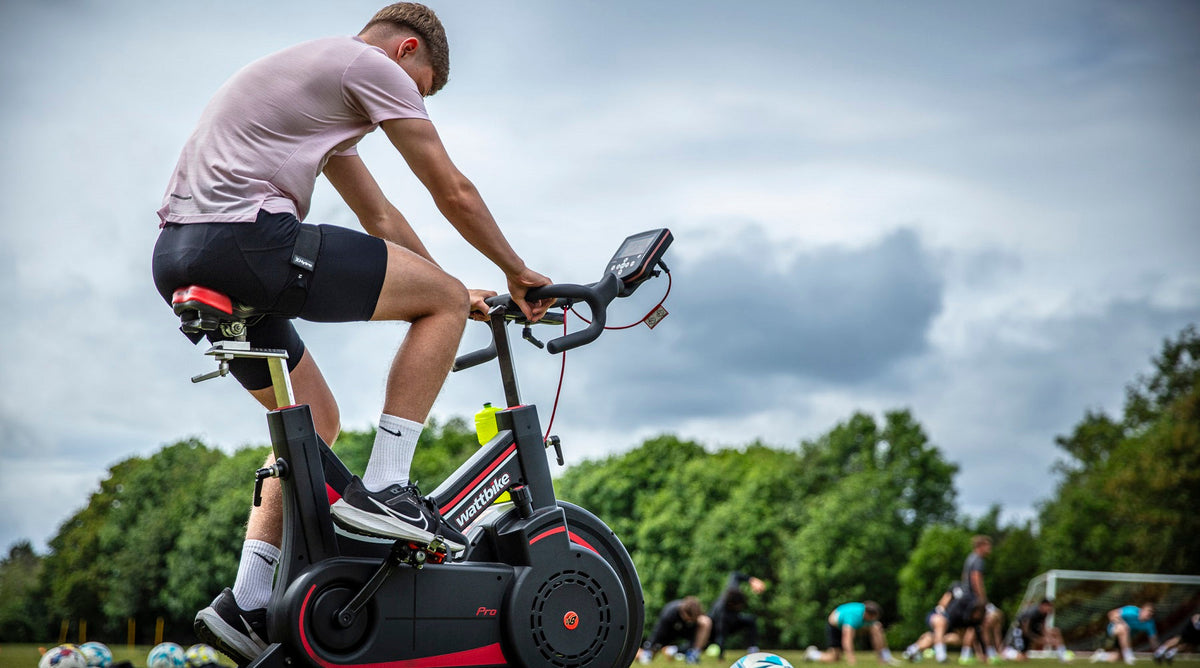
There is time in the programme that already exists. Bike flushes are ingrained into the schedule after games, active recovery sessions on the day after competition are part of the routine and cool-down protocols after practice are standard. These sessions are already scheduled, athletes already do them, and staff are already present.
The question is whether that time is delivering everything it could.

How Blood Flow Restriction enhances a bike flush
Manipulating blood flow during low-intensity recovery work creates a controlled vascular stimulus: restricted flow followed by reperfusion, enhancing circulation and recovery kinetics without additional training load, time, or sessions.
Research from SC Braga, conducted in collaboration with Hytro, examined what happens when intermittent Blood Flow Restriction is added to a standard low-intensity bike flush. The findings showed that the bike flush with intermittent restriction restored neuromuscular function significantly faster, while also improving soreness and perceptions of recovery.
Importantly, the intermittent application mattered. The repeated cycles of restriction and release created repeated flushes through the tissue. Cyclical control of blood flow appears to be a key part of the recovery response, not a single sustained application but a rhythm of restriction and reperfusion that compounds the physiological value of the session.
A bike flush is already in the programme. The time is already allocated. The athlete is already on the bike. What changes is what that time delivers.

From Braga research to international football
The England men’s football squad were again recently shown using Hytro during their recovery sessions, as have The Lionesses who have also been integrating Hytro into their recovery work post-match.
What makes this notable isn't the names on the shirts, but the context. International football compresses every constraint that makes in-season recovery difficult: short turnarounds between matches, travel, limited access to facilities, and a squad that must be available on a schedule that does not flex.
The Braga research and protocol were shared with FA coaches, helping them see where BFR could fit into their existing recovery work. From what their social shows, they have applied it in exactly that way: Hytro on a bike, embedded in the recovery session that was already happening.
No additional session, no additional equipment setup, no additional load. Just recovery that was already scheduled, now delivering a greater physiological stimulus.
If you can magnify the physiological value of recovery work that is already happening, without adding another session or more load, that is a practical proposition for any team operating under the constraints of a competitive season.

Deploying Recovery BFR at squad scale
This is where the format of the intervention matters. A bike flush with Blood Flow Restriction only works at squad scale if the wearable itself does not reintroduce the operational problems it is supposed to solve.
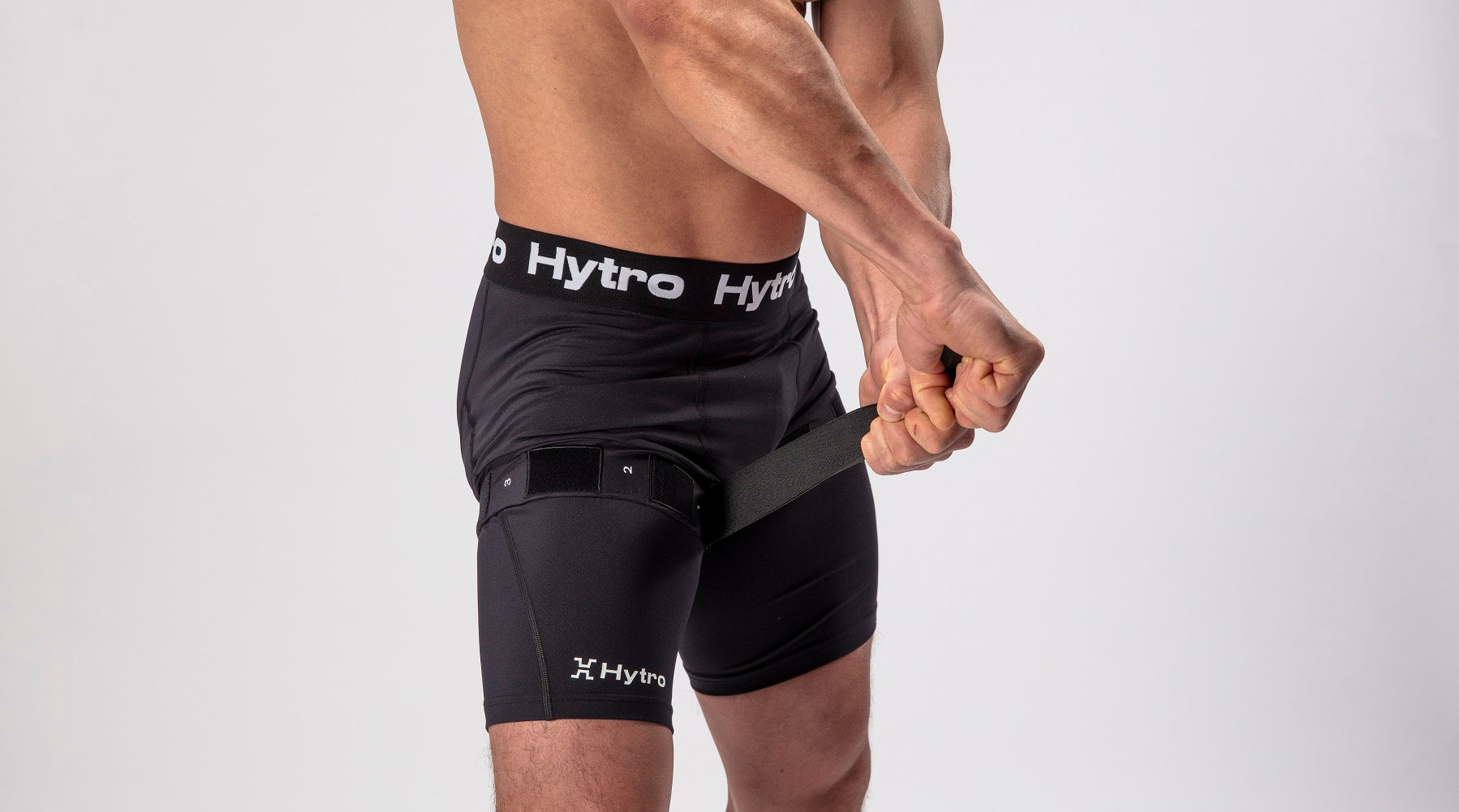
No machine, no external power, no individual setup or supervision required beyond the initial instruction. Athletes can move freely, and the wearable travels with them. What works in the training facility on Monday works in the hotel on Thursday.
Hytro brings deliberate blood-flow manipulation into the recovery work athletes are already doing, without adding external load or operational complexity. A bike flush becomes a bike flush with an enhanced vascular stimulus. An active recovery session becomes one with a mechanism that accelerates the process.
Built for the squad, not just the physio room.

Same recovery window. Greater physiological opportunity.
Recovery does not need another place in the programme. It needs to deliver more from the place it already has.
The science supports it. The research at SC Braga demonstrates the mechanism. The application at the highest level of international football shows it translating into practice. And the wearable makes it deployable across a squad, in-season, without adding complexity to a week that is already full.
The minutes are already there. The opportunity is what happens inside them.

Leave a comment
This site is protected by hCaptcha and the hCaptcha Privacy Policy and Terms of Service apply.