In high-performance environments, recovery is not just about rest. It is about returning players to a state where they can perform again, repeatedly, across a demanding schedule.
Between fixtures, training sessions, and travel, the time available to recover is often limited. When recovery is incomplete, fatigue accumulates, movement quality drops, and performance begins to suffer.
What the research shows
Studies have demonstrated improvements in blood flow, lactate clearance, and reductions in perceived muscle soreness following BFR-based recovery protocols. There is also evidence suggesting a positive effect on heart rate variability (HRV), indicating a faster return towards physiological readiness.
Crucially, these benefits are achieved without adding further mechanical or metabolic load, making BFR suitable for use immediately after exercise or during recovery periods.
 What this means for coaches
Recovery becomes something that can be actively supported, rather than passively waited for.
Instead of relying solely on time, nutrition, and rest, coaches have a tool that can help accelerate the recovery process without interfering with the wider training plan.
This is particularly valuable during congested periods, where even small improvements in recovery can have a meaningful impact on how players feel and perform in the next session.
How it shows up in practice
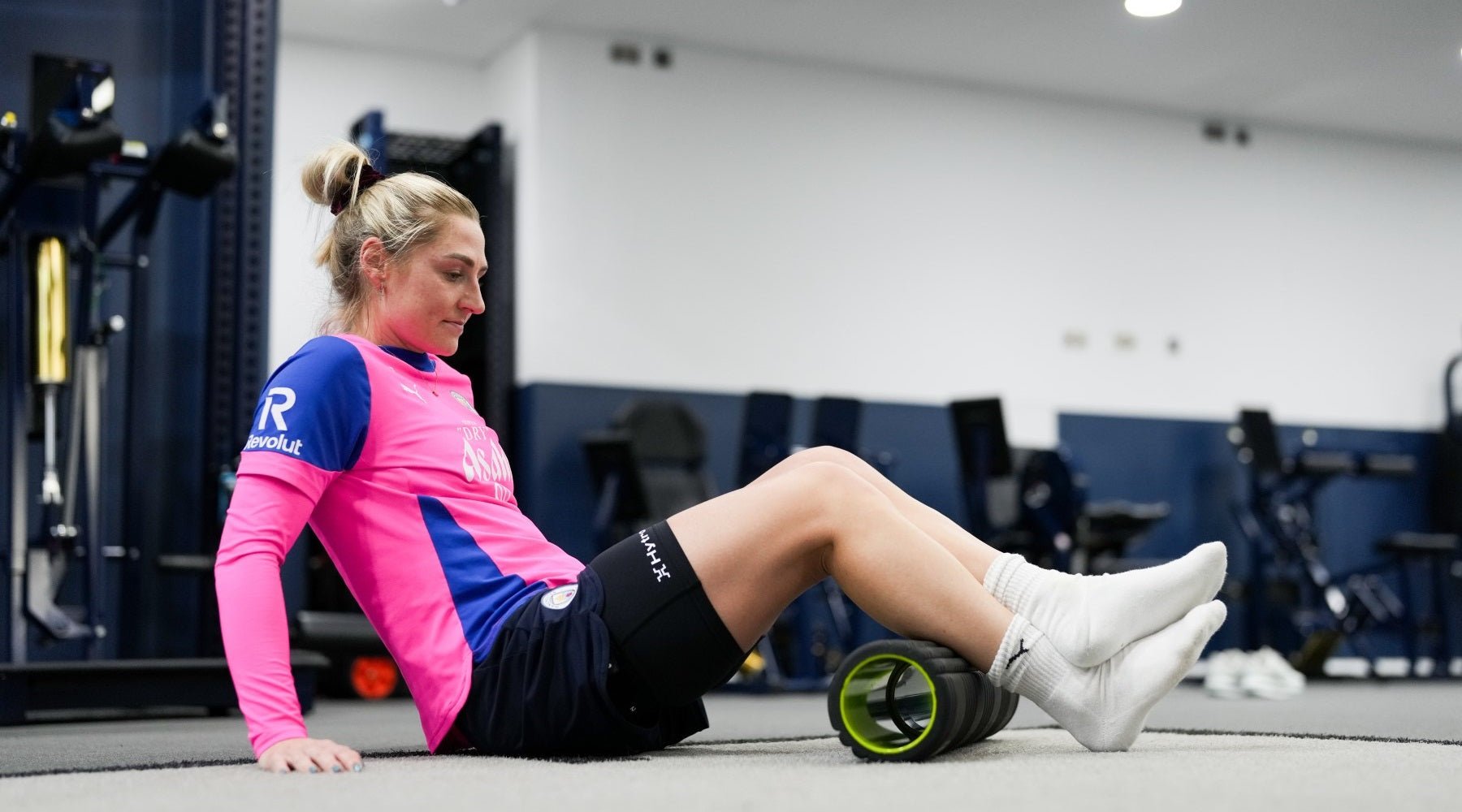
In practice, BFR can be used immediately post-training or post-match, as well as on recovery days.
Short, low-pressure protocols can be applied to the lower limbs to support circulation and reduce the sensation of heaviness. These sessions are typically brief and easy to integrate alongside existing recovery strategies.
Over the course of a week, consistent use can help players feel more prepared between sessions, improving both readiness and quality of work.
Where Hytro fits
For recovery strategies to work, they need to be used consistently, not just occasionally.
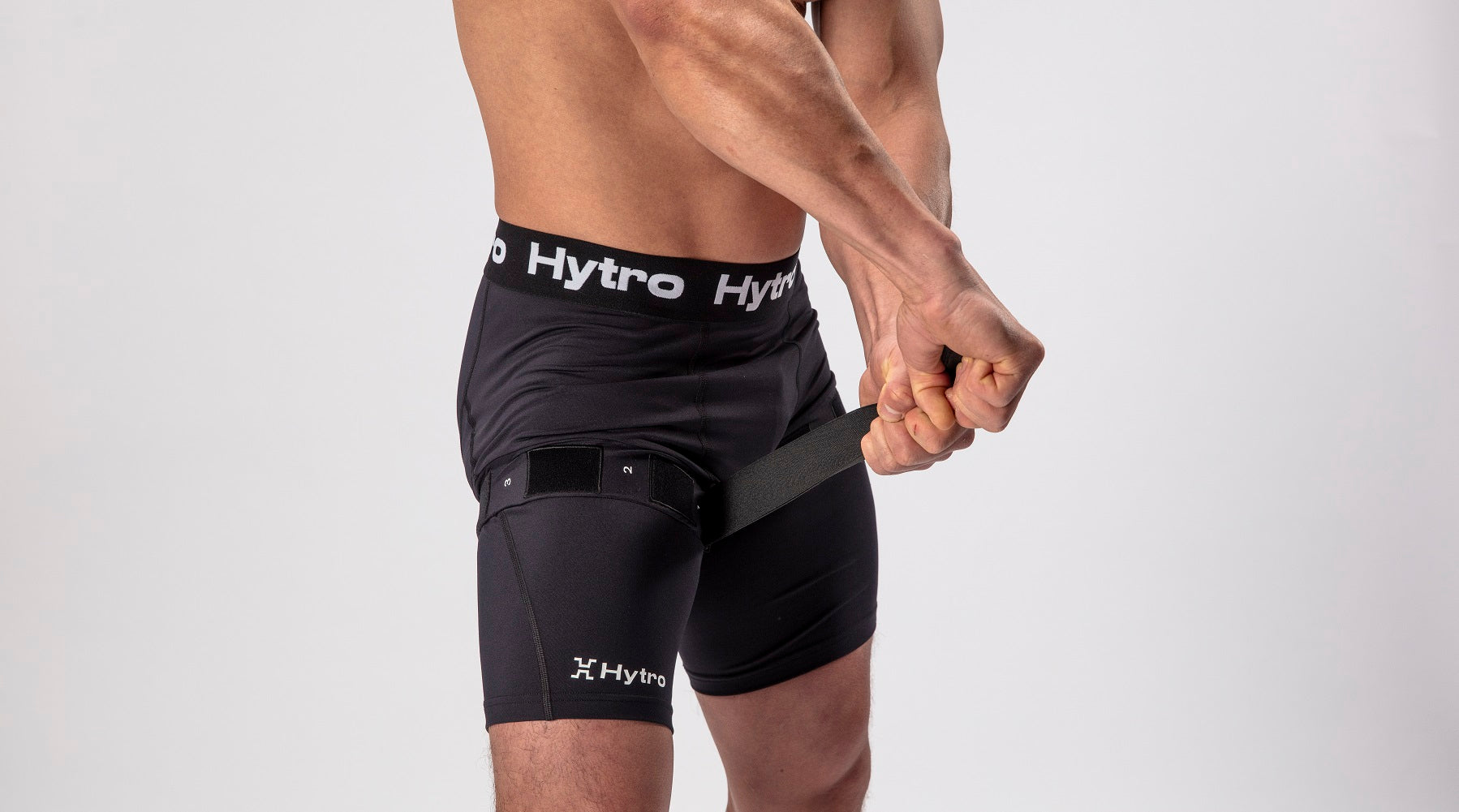
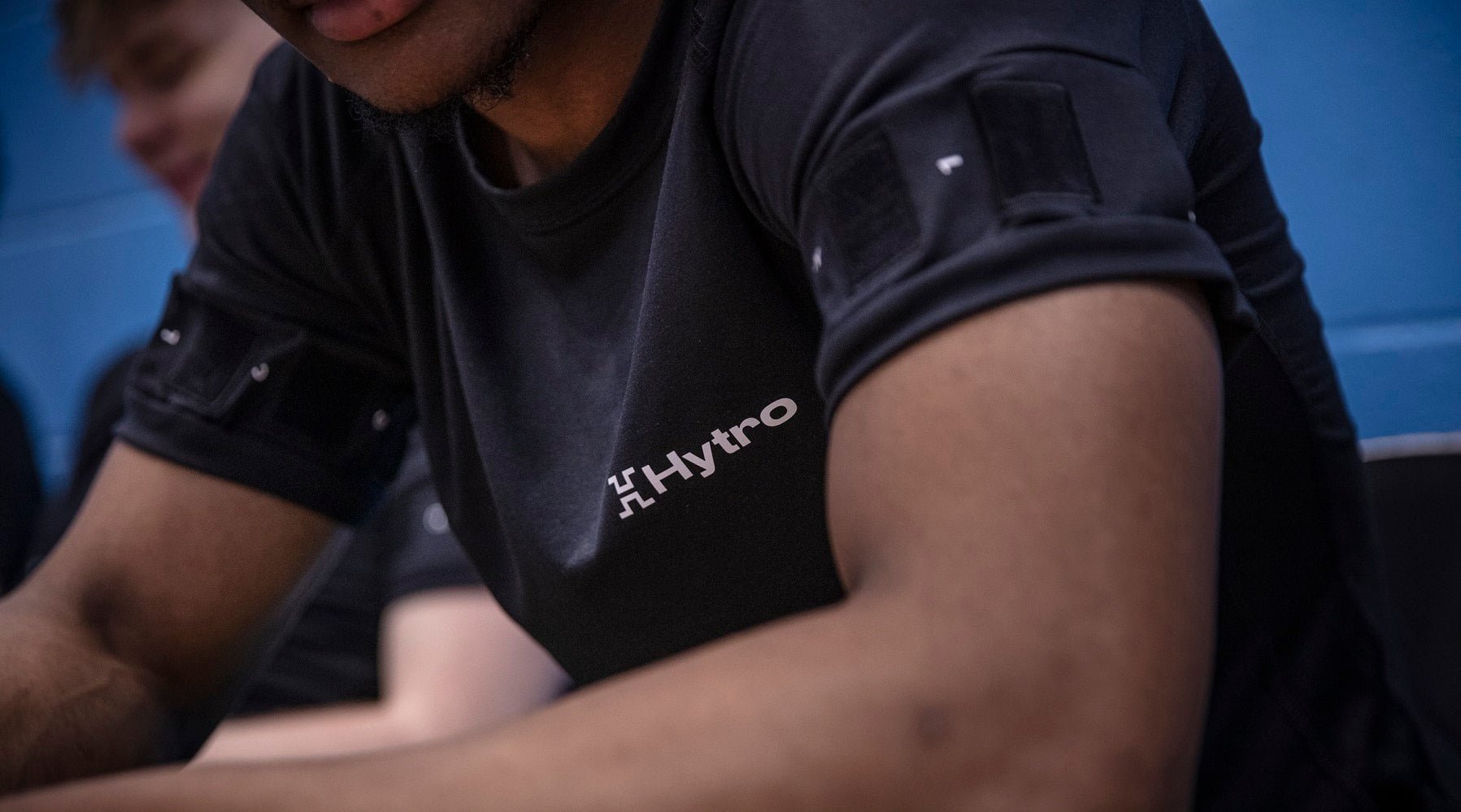
Hytro’s wearable BFR technology makes that possible by removing the barriers to regular use. Players can apply it independently, without needing staff supervision or specialist equipment, which allows it to become part of their daily routine.
Its portability is a key advantage. Recovery does not happen in one place, and Hytro can be used wherever the player is, whether that is at the training ground, at home, or during travel. It also integrates easily alongside other recovery modalities, including pool work, sauna, or cold exposure, without disrupting existing protocols.
This flexibility increases adherence, and in recovery, adherence is what drives results.
By making BFR simple to use, easy to access, and consistent across environments, Hytro helps turn recovery from something occasional into something reliable.
Research references
Leszczynski S, Gleadhill S, Bennett H. The effect of individualised post-exercise blood flow restriction on recovery following strenuous resistance exercise: A randomised controlled trial. J Sports Sci. 2024 Jun;42(12):1090-1098. doi: 10.1080/02640414.2024.2383073. Epub 2024 Jul 25. PMID: 39052677.




Leave a comment
This site is protected by hCaptcha and the hCaptcha Privacy Policy and Terms of Service apply.