
In volleyball, performance is built on repeatability. The ability to jump, land, and jump again. To produce power at the net, recover quickly, and repeat those efforts across rallies, sets, and often multiple matches in a short space of time.
The challenge is not just preparing athletes to perform once. It is preparing them to perform repeatedly, without a drop-off.
That makes readiness a continuous process, not a single moment before the match.
How do volleyball players recover between matches and tournaments?
Recovering between matches and within the week
In volleyball, recovery is not confined to the day after competition. Tournament formats, double headers, and condensed schedules mean athletes are often required to perform again within hours, not days. Lower-limb fatigue, soreness, and residual stiffness can accumulate quickly, particularly through repeated jumping and landing.
This is where Blood Flow Restriction (BFR) has become increasingly valuable.
Used post-match and between sessions, it allows athletes to support circulation, reduce perceived soreness, and maintain physical readiness without adding further load. The key is that it can be applied consistently, without disrupting training or increasing the demands placed on staff.
Rather than waiting for a dedicated recovery window, athletes can integrate BFR into what they are already doing, allowing recovery to happen continuously across the day.

How do you manage repeated jump and landing load in volleyball?
Managing repeated jump and landing demands
Volleyball places significant stress on the lower limbs, particularly through the patellar tendon and surrounding structures.
Across a match, players may jump dozens of times, often at high intensity and under fatigue. Over time, this creates a familiar challenge. How do you maintain performance while managing the load on joints and soft tissue?
BFR provides a way to maintain stimulus while reducing mechanical stress.
By integrating low-load work with BFR, practitioners can continue to expose athletes to meaningful training effects without adding to the cumulative load created by jumping and landing. This is particularly useful in-season, or during tournaments, where managing fatigue becomes as important as building capacity.
It allows players to keep training, without tipping into overload.
How do you prime for a match without adding fatigue?
Priming without adding fatigue
Pre-match preparation in volleyball is often built around activation and rhythm.
Players need to feel explosive, reactive, and coordinated, but without carrying fatigue into the first point. The difficulty is that traditional warm-ups can sometimes add unnecessary volume, particularly when athletes are already managing accumulated load.
BFR offers a more efficient approach.
Used as part of a short pre-match protocol, it can support explosive readiness and short-duration potentiation without requiring additional jumps, sprints, or complex setup. It prepares the lower limbs and surrounding tissues for high-force actions, while keeping the overall cost low.
That balance is critical in volleyball, where the difference between feeling ready and feeling flat can show up immediately in jump height, timing, and first-step reactions.

How do players maintain jump performance across multiple matches?
Maintaining output across sets and matches
Volleyball performance is rarely decided in a single effort. It is built across rallies, across sets, and often across multiple matches in close succession. The ability to maintain jump height, power, and reactivity over time is what separates consistent performers from those who fade.
This is where the combination of recovery and preparation becomes important.
By supporting recovery between matches and enhancing readiness before play, BFR helps athletes maintain output across the full competitive window. It does not replace technical or tactical preparation, but it supports the physical qualities that underpin them.
Where Hytro BFR fits
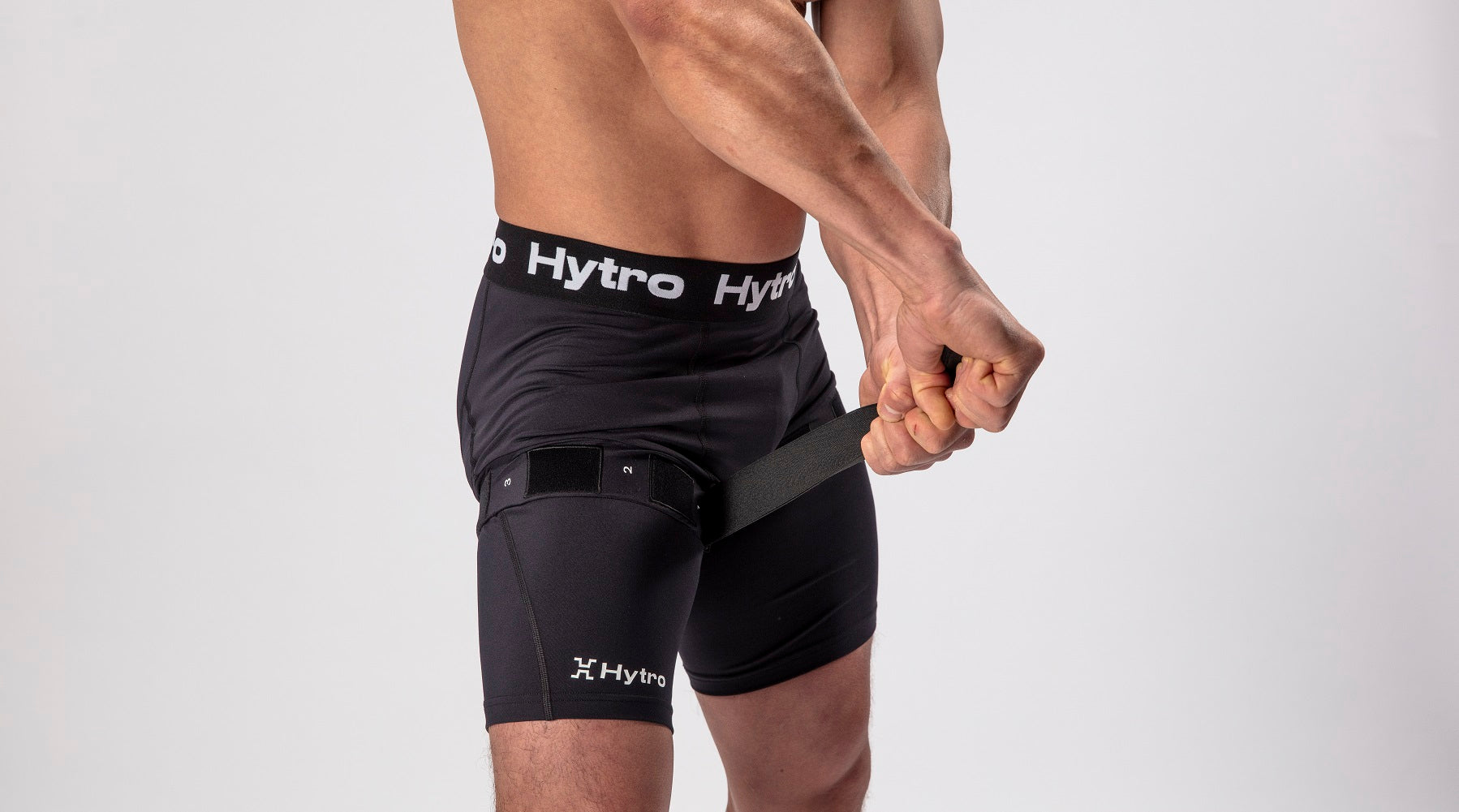
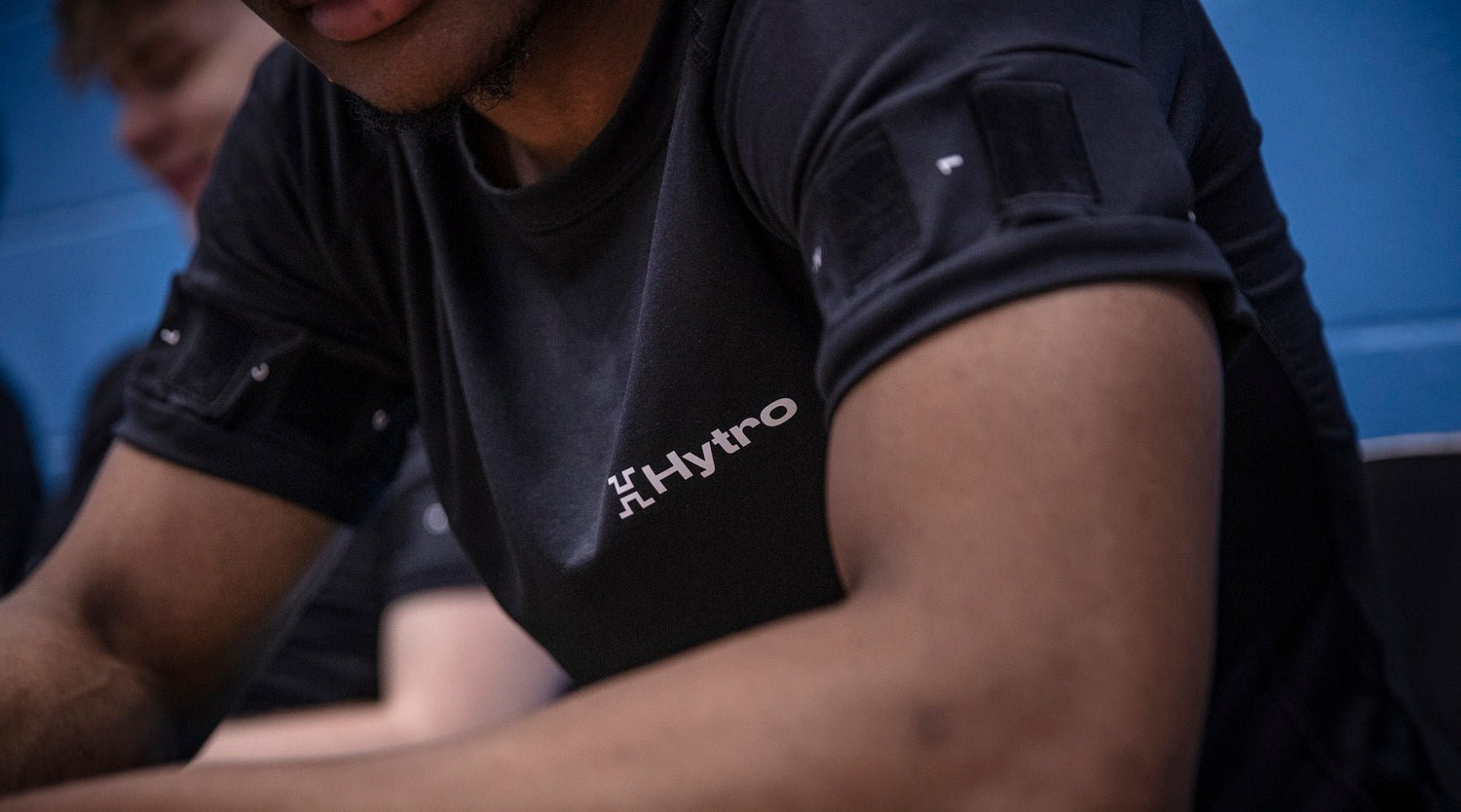
Hytro BFR is not used as a standalone intervention in volleyball, but as part of the daily and weekly rhythm. It supports recovery immediately after matches, helps manage accumulated lower-limb fatigue across training blocks, and plays a role in pre-match preparation when athletes need to feel sharp and ready without added fatigue.
In practice, this means it can be used in short, repeatable windows throughout the day, rather than relying on a single recovery or warm-up session. That flexibility allows it to fit around the realities of training, competition, and travel, without adding complexity. Rather than increasing volume, it enhances what is already in place.

Preparing to repeat
In volleyball, readiness is not about a single moment before the match. It is built across every touchpoint, from the end of one match to the start of the next, and everything in between. The ability to recover quickly, maintain physical qualities, and arrive ready to perform repeatedly is what underpins performance.
BFR supports that process.
By reducing mechanical load, supporting recovery, and enhancing preparation without adding fatigue, it allows athletes to maintain the qualities that matter most, not just once, but across the full demands of competition.
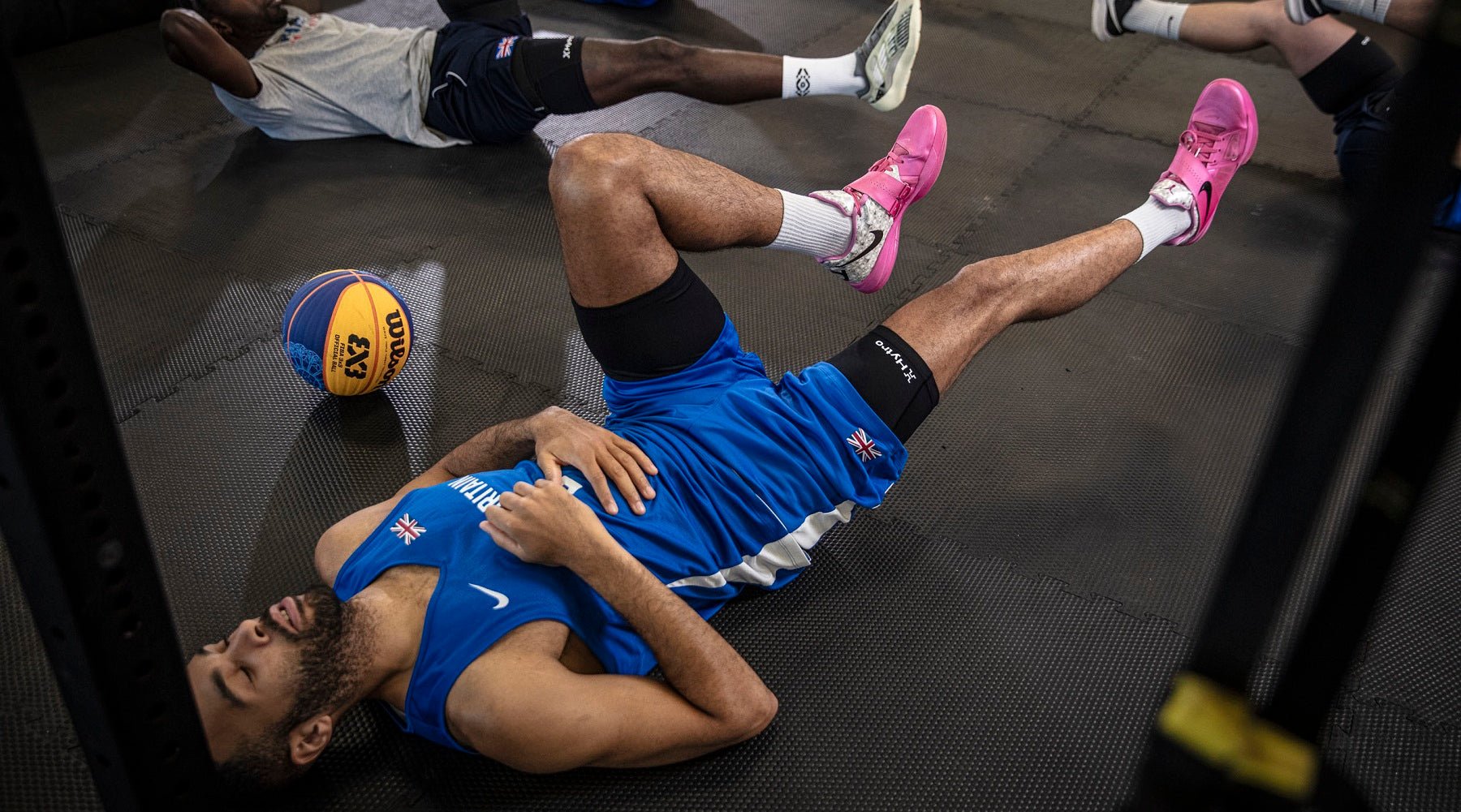
From preparation to performance. See how Dr. Tyler Lescher and Dave Snyder are using BFR to keep basketball players ready across the season.


Leave a comment
This site is protected by hCaptcha and the hCaptcha Privacy Policy and Terms of Service apply.