
At the highest level of sport, performance isn't defined by what an athlete can produce once. It's defined by what they can reproduce again and again. Few environments test that more than the NHL. An 82-game regular season, extensive travel, compressed schedules and the physical demands of hockey create a constant battle against fatigue, injury and declining performance.
On the latest episode of the Hytro Performance Podcast, Dr Warren Bradley and Chase Lattimer sat down with Mike Potenza to discuss what it takes to keep athletes physically ready throughout one of the most demanding schedules in professional sport.
Drawing on more than 20 years in elite sport, Potenza shared insights into how NHL teams manage readiness, maintain physical qualities and help players perform when recovery opportunities become increasingly limited.
The real challenge is repeatability
When people think about elite performance, they often think about producing a great performance on game day. For Potenza, the bigger challenge is ensuring players can do it again tomorrow, and the day after that.
As the NHL season progresses, recovery windows become shorter, travel demands increase and opportunities to train become harder to find. The role of the performance team shifts from driving adaptation to carefully managing readiness.
"You have to be creative on when we find time to train and what quality we want to chase after," Potenza explained.
Despite the congested schedule, strength and physical qualities still need to be maintained. The challenge is finding opportunities to deliver meaningful training stimuli without creating additional fatigue. That often means being flexible, adapting plans around travel and identifying small windows where training can still make an impact.

Availability is the foundation of performance
One of the strongest themes throughout the conversation was the importance of availability. While strength, power and speed are important, none of them matter if athletes aren't able to stay on the ice.
For younger players entering the NHL, the jump can be significant. Athletes may suddenly find themselves playing far more games than they have ever experienced before while also managing the demands of travel and recovery.
Veteran players often require a different approach altogether. Rather than accumulating more work, they may benefit from targeted strength sessions, recovery interventions or time away from the ice to help maintain physical readiness. The key is understanding that every athlete responds differently. "Every day is a new prescription. You can't just make a blanket program for everybody."
That philosophy extends to how Potenza monitors players throughout the season, combining objective measures such as jump testing with subjective wellness data to build a picture of readiness and intervene before fatigue impacts performance.
Recovery starts before recovery modalities
The Sharks utilise a range of recovery resources, including manual therapy, hydrotherapy, compression systems, sauna protocols and red-light therapy. However, Potenza believes that some of the most impactful recovery decisions occur long before athletes enter the recovery room.
Travel management, sleep and scheduling can often have a greater impact than any individual modality. Drawing on lessons learned during his time with the San Jose Sharks and Golden State Warriors, Potenza explained how adjusting schedules around travel can help athletes recover more effectively.
Rather than forcing players into early-morning activities after crossing time zones, the organisation looks for opportunities to prioritise sleep and give athletes more time to adapt. It's a simple principle, but one that can have a significant impact over the course of a long season.

Finding training opportunities when time is limited
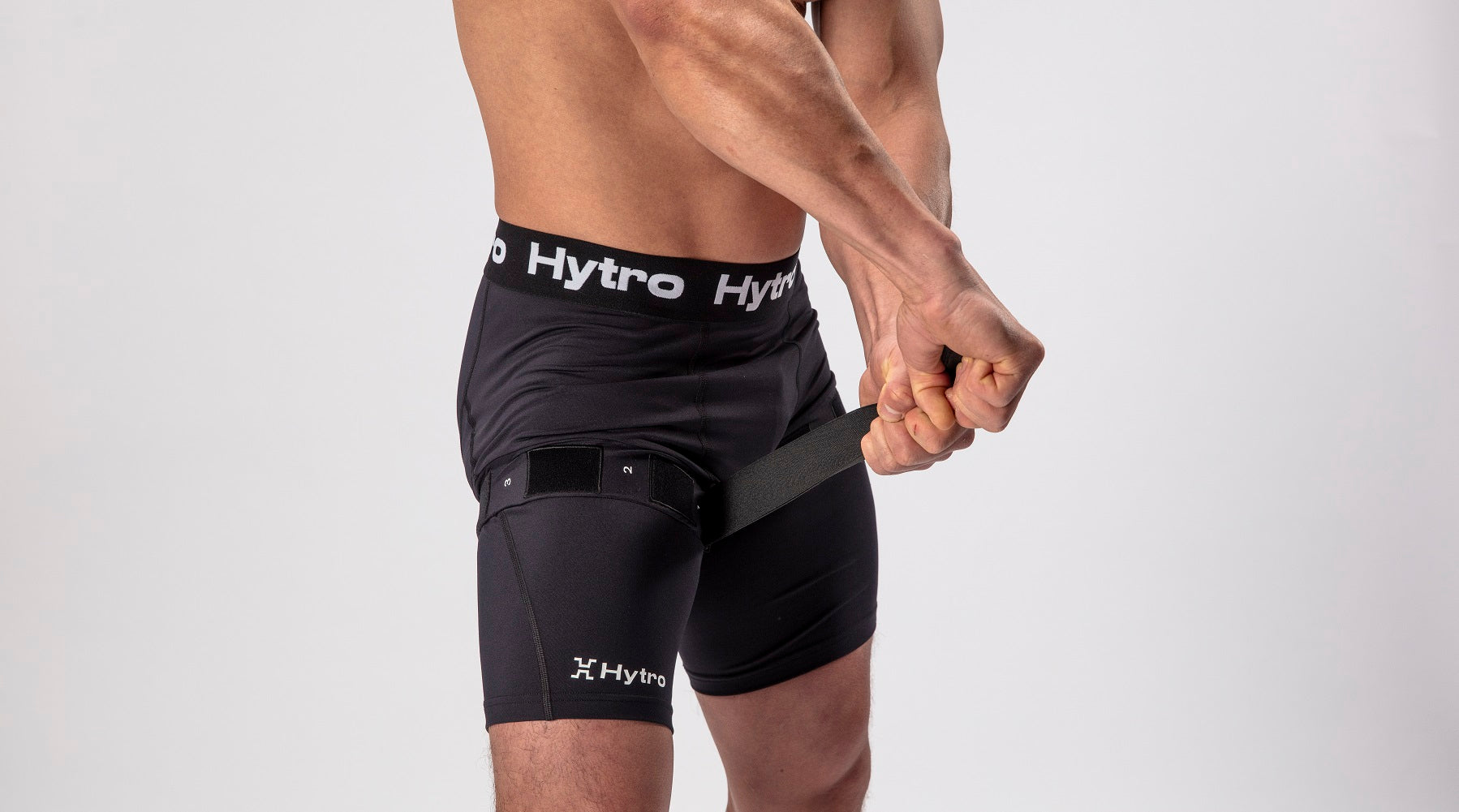
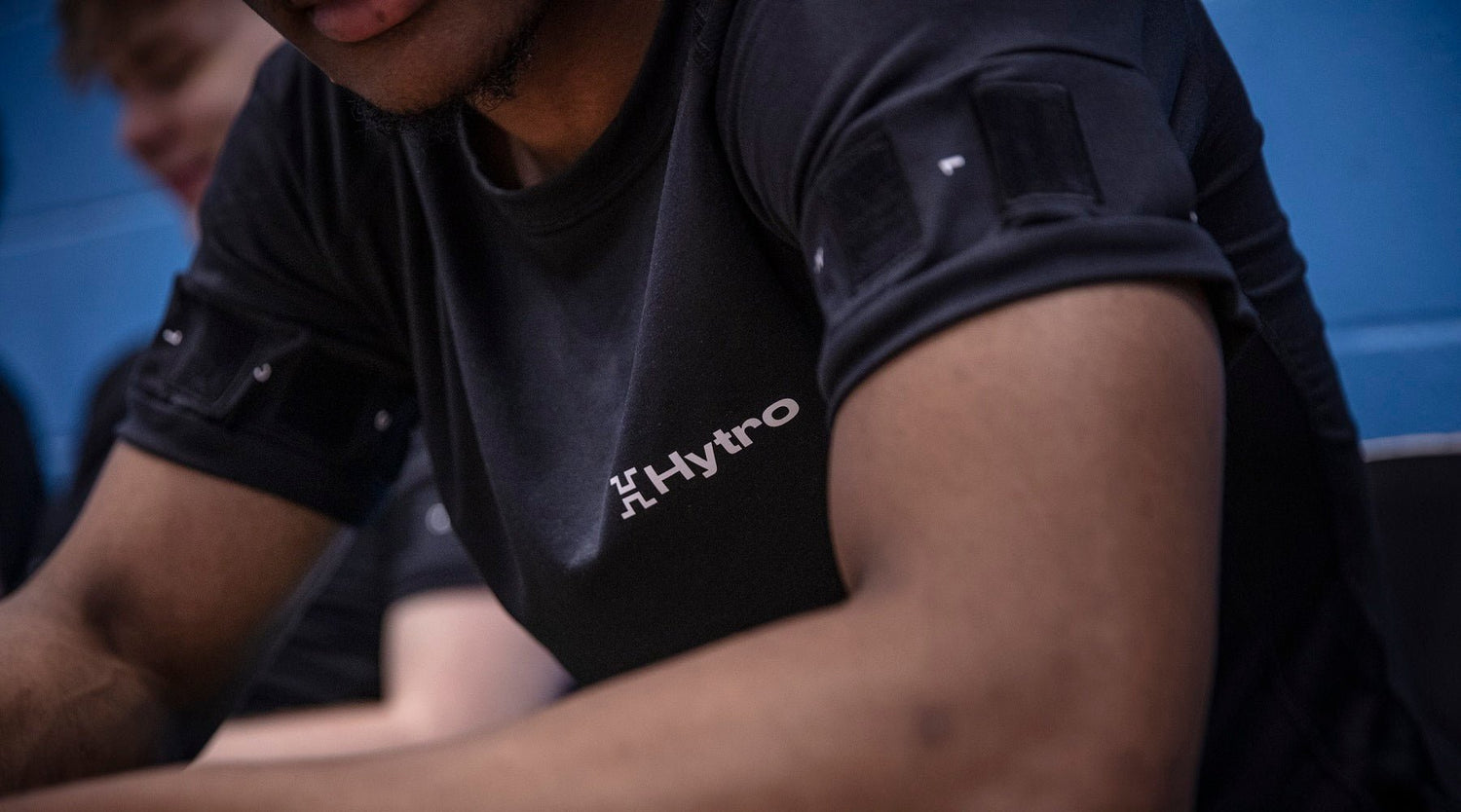
As schedules become more congested, performance teams face a familiar problem. Players still need training stimuli, but they have fewer opportunities to train. This is where Potenza integrated Blood Flow Restriction (BFR) more broadly into the Sharks' programme. Initially introduced through rehabilitation, Hytro BFR quickly became appealing because of its versatility.
"It opened up so many windows for active training, recovery and rehab." The Sharks have explored applications ranging from post-game recovery rides and warm-ups to conditioning sessions and on-ice training.
For Potenza, the value isn't just the physiological response. It's the practicality. When time, travel and fatigue are all competing for attention, finding efficient ways to maintain physical qualities becomes increasingly valuable. The ability to use BFR across multiple settings has helped create new opportunities to support both performance and recovery throughout the season.
What it means to be Built to Outperform
At the end of the conversation, Potenza offered a perspective on performance that extended beyond the athletes themselves. While players need to be physically prepared to handle the demands of a long season, high performance also depends on the support team surrounding them.
For Potenza, being Built to Outperform means creating an environment that remains consistent regardless of the circumstances. "The department needs to be a rock."
Whether it's game one, game 82 or a playoff series, athletes need confidence that the support around them remains aligned, consistent and focused on helping them perform. Because in elite sport, success isn't just about producing a great performance once.
It's about building the systems, habits and behaviours that allow those performances to be repeated when it matters most.


Leave a comment
This site is protected by hCaptcha and the hCaptcha Privacy Policy and Terms of Service apply.