
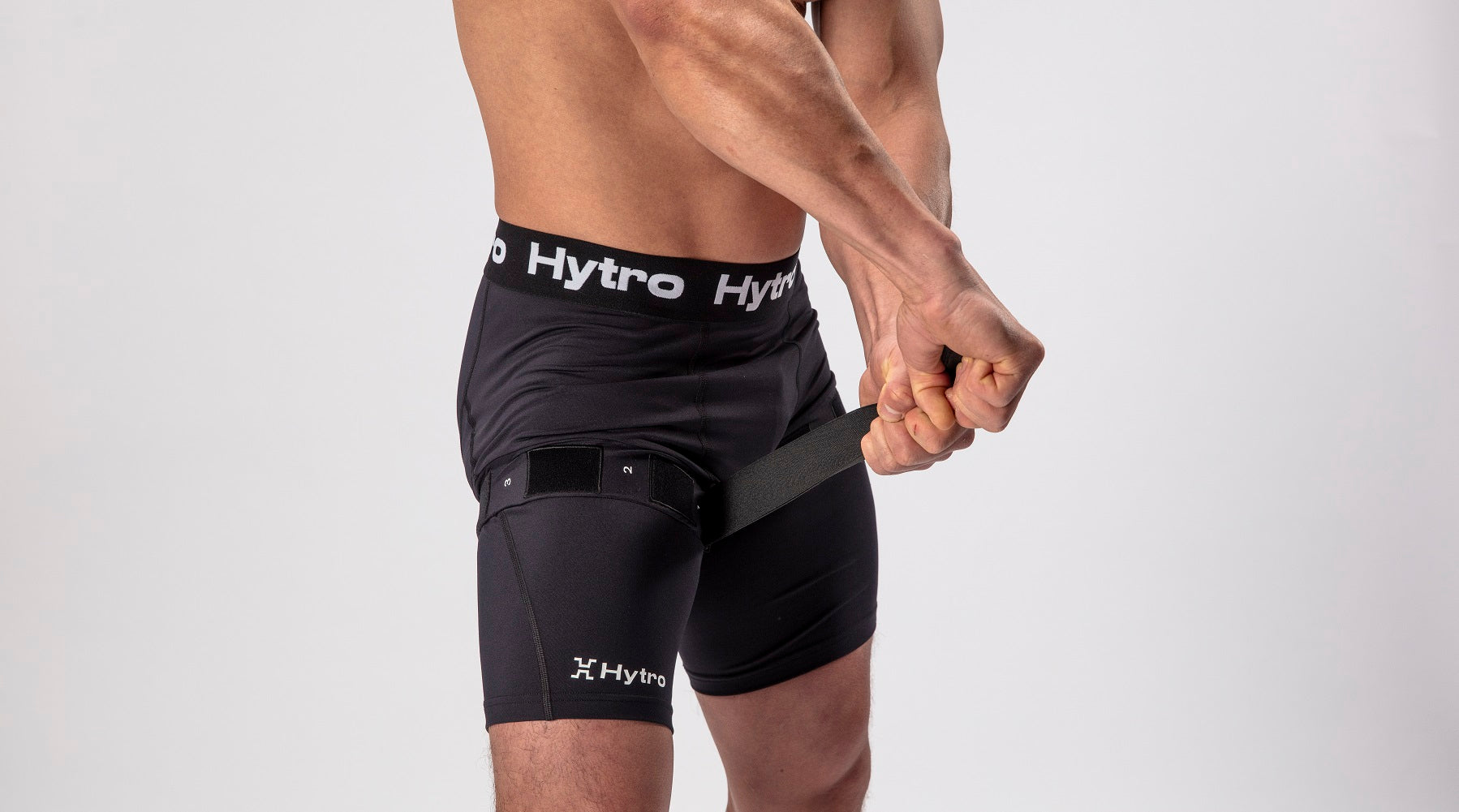

Most conversations about BFR begin and end with pressure. How much pressure is applied, how precisely it is measured, and whether the correct percentage of occlusion has been achieved.
That emphasis is understandable as the restriction phase of BFR has been studied extensively. By limiting venous return and creating a hypoxic environment within the muscle, metabolic stress increases. The muscle works harder under reduced oxygen conditions, which stimulates adaptations at low loads. The evidence supporting that mechanism is well established.
But BFR is not a single-phase intervention. It is a two-phase circulatory event: restriction and release. Understanding both shifts the conversation from simply restricting blood flow to intentionally optimising it.

Restriction drives adaptation
During restriction, venous return is reduced and the internal environment of the muscle shifts. Oxygen availability decreases, metabolites accumulate, and the muscle experiences greater stress. This underpins much of the traditional BFR Training literature and explains why low-load training with restriction produces meaningful adaptations.
If the objective is training stimulus, particularly in lower-load environments or during rehabilitation, the restriction phase is doing most of the work.
That part of the science is well covered.
Release alters circulation
What receives far less attention is what happens when pressure is removed.
When restriction (pressure) is removed, blood flow does not simply return quietly to baseline. There is a surge of fresh, oxygenated blood into the tissue and, with that, a sharp increase in blood velocity. As velocity rises, shear stress (friction) along the blood vessel wall increases. In response, nitric oxide (NO) is released, which promotes vasodilation and allows greater blood flow into the tissue.
This process, known as reactive hyperaemia, is not just a passive return to normal circulation. It is a distinct vascular event.
If restriction alters the internal environment of the muscle to support exercise adaptation, the post-restriction release alters circulation itself. Those are different physiological objectives and should not be treated as interchangeable.
In performance environments, context determines application. If the goal is to drive adaptation during training, restriction is required. If the objective is to enhance circulation during warm-up, support tissue preparation, or accelerate recovery between sessions, the release phase becomes more relevant. Once those mechanisms are separated conceptually, application becomes more precise.

Why release speed matters
The manner in which pressure is removed may also influence the magnitude of response.
A gradual deflation or release or pressure produces a gradual restoration of blood flow and re-oxygenation. An immediate release produces a sharper increase in blood velocity. Velocity influences shear stress since blood is moving faster which causes greater friction on blood vessel walls, and shear stress influences nitric oxide production. That sequence affects the magnitude of the vascular response, reactive hyperemia and perfusion of tissue with blood.
If increasing circulation is the objective, then the quality and timing of release deserve attention.
When we designed Hytro, one of the considerations was how to maximise that release phase. The system allows for immediate release, supporting a faster rise in blood velocity and, in turn, a stronger reperfusion response. The broader principle, however, applies beyond any single product. If we only ever focus on restriction, we are only considering half of the intervention.

Perfusion cycling
This principle underpins what we refer to as perfusion cycling, and it becomes particularly powerful when applied within athlete priming and recovery settings.
Perfusion cycling is the deliberate alternation between short periods of restriction and complete release, usually layered into low-load activity such as warm-up or recovery flows. Rather than maintaining continuous pressure, restriction is applied for a defined period and then fully removed for several rounds. Each release creates a sharp rise in blood velocity and a reactive hyperaemic response, producing repeated surges of oxygenated blood back into the tissue. Over multiple cycles, this amplifies circulation beyond what low-intensity movement alone would generate.
In preparation settings, this can support tissue readiness without adding fatigue. In recovery settings, it enhances circulatory turnover without increasing mechanical load.
Most teams already implement some form of active recovery following matches or heavy training sessions. A short walk, a light spin on the bike or low-intensity mobility work are common. The objective is straightforward: increase circulation without adding further stress.
Layering perfusion cycling onto that base intervention enhances the circulatory stimulus without increasing impact, load, or session duration. The athlete continues performing low-intensity aerobic work. Overall load remains low. What changes is that circulation is being deliberately amplified through cyclical restriction and reperfusion.
In practical terms, a recovery session might involve five minutes of restriction followed by two minutes of complete release, repeated three times during a 15-to-20-minute walk or cycle. The athlete is still performing low-intensity aerobic work. The overall load remains low. What changes is that circulation is being deliberately amplified through cyclical perfusion.

The rationale for this approach is supported in the literature. Research by Tanimoto (2018) demonstrated that low-pressure BFR integrated within active recovery can improve post-exercise blood flow and support lactate clearance. Other studies, like Willis (2021) have reported improvements in recovery-related markers, including heart rate variability rebound within 24 hours.
Importantly, these effects were observed at relatively low pressures. In this context, the benefit is not about maximising restriction but about deliberately cycling perfusion.
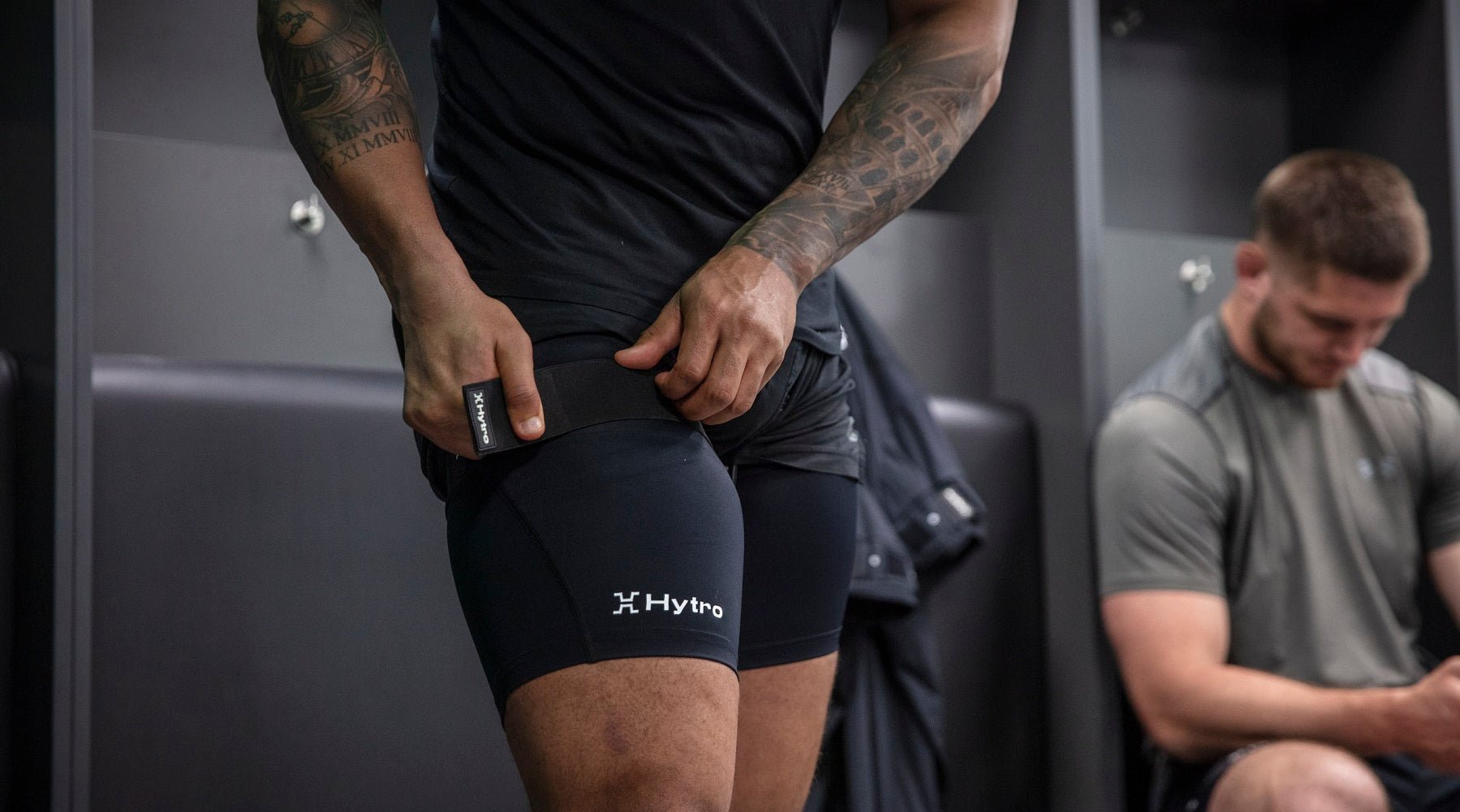
Delivery becomes critical here. Rapid and complete release produces a sharper increase in blood velocity and a more distinct reperfusion response. A system that allows for quick application and immediate removal of pressure makes this process practical within real-world performance environments, without adding complexity or mechanical strain.
Active recovery already promotes circulation; perfusion cycling enhances that response.

Applying with intent
The key shift is conceptual. The question is not simply how much pressure you are using; it is what outcome you are trying to drive.
Training adaptation and recovery are different objectives. driven by different mechanisms. Restriction builds stimulus. Release enhances circulation.
If we treat BFR as a single mechanism, we limit its application. When both phases are understood and applied intentionally, it becomes a far more versatile tool within performance programmes.
If this has prompted some new thinking and you'd like to discuss this further, please get in touch with the Hytro team.


Leave a comment
This site is protected by hCaptcha and the hCaptcha Privacy Policy and Terms of Service apply.