
For Mark Fitzgerald, performance is not measured by isolated peaks in the gym. It is measured by how often an athlete can show up, practise, and play when it counts.
After more than a decade working across professional hockey, both on team staffs and in private performance environments, Mark has seen what actually sustains careers. It is not chasing numbers for the sake of them. It is resilience, readiness, and an uncompromising focus on availability.
“I paint an 82 on the wall in our gym,” he explains. “That’s the goal. If our athletes are playing above 85 or 90% of games, we win.”
Experience over dogma
Mark’s career has spanned NHL teams, private facilities, long-term rehabilitation, and high-performance camps. That range has shaped how he thinks about coaching. “My value is me,” he says. “My experience, the mistakes I’ve made, and what I’ve learned from them.”
That mindset has made him sceptical of rigid systems and one-size-fits-all rules. Whether it is exercise selection, loading strategies, or recovery tools, Mark believes context matters more than tradition.
“Not every athlete is meant to pick up a barbell from the floor,” he says. “And saying something is dangerous just because you don’t understand it is on the coach, not the tool.” This principle underpins his approach to Blood Flow Restriction.

Early exposure to BFR
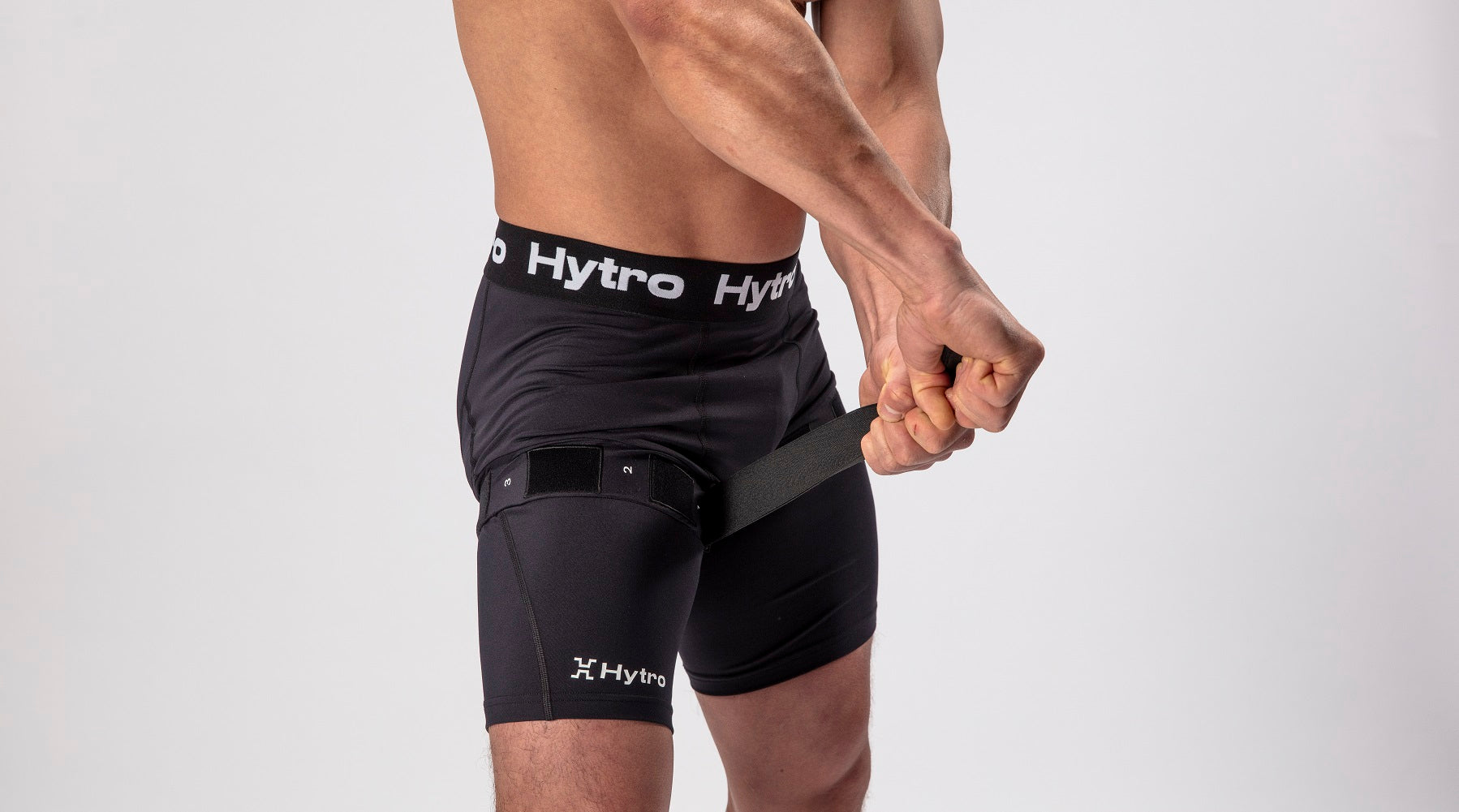
Mark’s first experience with BFR came over a decade ago, long before it became widely discussed outside of rehab. “I was sceptical,” he admits. “I tried it myself first. Ten minutes at the end of a session, and I couldn’t believe the effect.”
What stood out was not just the training stimulus, but how little it took to create it. “I’d already done my workout,” he says. “And this added something without beating me up.”
That curiosity led him to research further, experiment cautiously, and only then begin applying it with athletes. The key was understanding the difference between occlusion and restriction. “Occlusion has its place, especially post-surgery,” he explains. “Restriction opens up far more applications across training, preparation and recovery.”
From finisher to table setter
Initially, BFR sat at the end of sessions. Over time, that changed. “One of the biggest shifts for me was using it before training,” Mark says. “Ten minutes and I felt more ready, more athletic. My normal warm-up wouldn’t get me there, or it would take much longer.”
This became particularly valuable for older athletes with long injury histories. Traditional warm-ups often failed to elicit the readiness they needed. “With BFR, we’re setting the table,” he explains. “We’re creating a better environment in the body to do the work.”

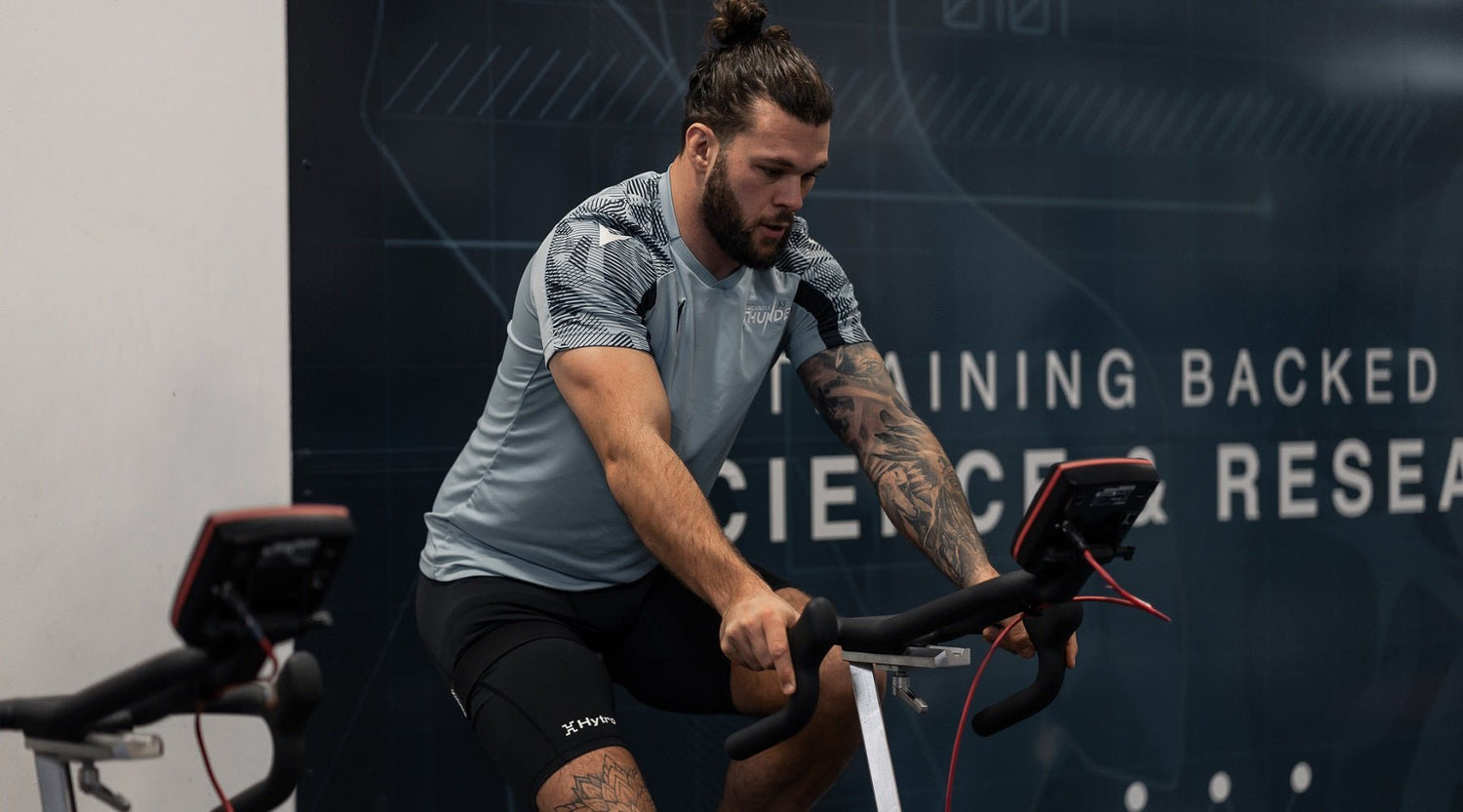
A breakthrough moment came while working with an athlete dealing with chronic knee issues. “BFR treadmill walking before lifting was the only way he could get through his sessions,” Mark says. “He went into the season with no knee problems. When flare-ups happened, we went back to it, and it cleared.”
For Mark, that confirmed BFR’s role not just in rehab, but in readiness and repeatability.
Resilience as the real performance metric
Hockey is unforgiving. Long seasons, frequent travel, collisions, and condensed schedules demand more than physical preparation. “The goal is to create opportunities to play,” Mark says. “Not to add 25 pounds to a deadlift.”
He works with athletes deep into their careers, some with over a thousand professional games. Their longevity is not accidental. “They understand what their body needs,” he explains. “They’re curious. They ask why.”
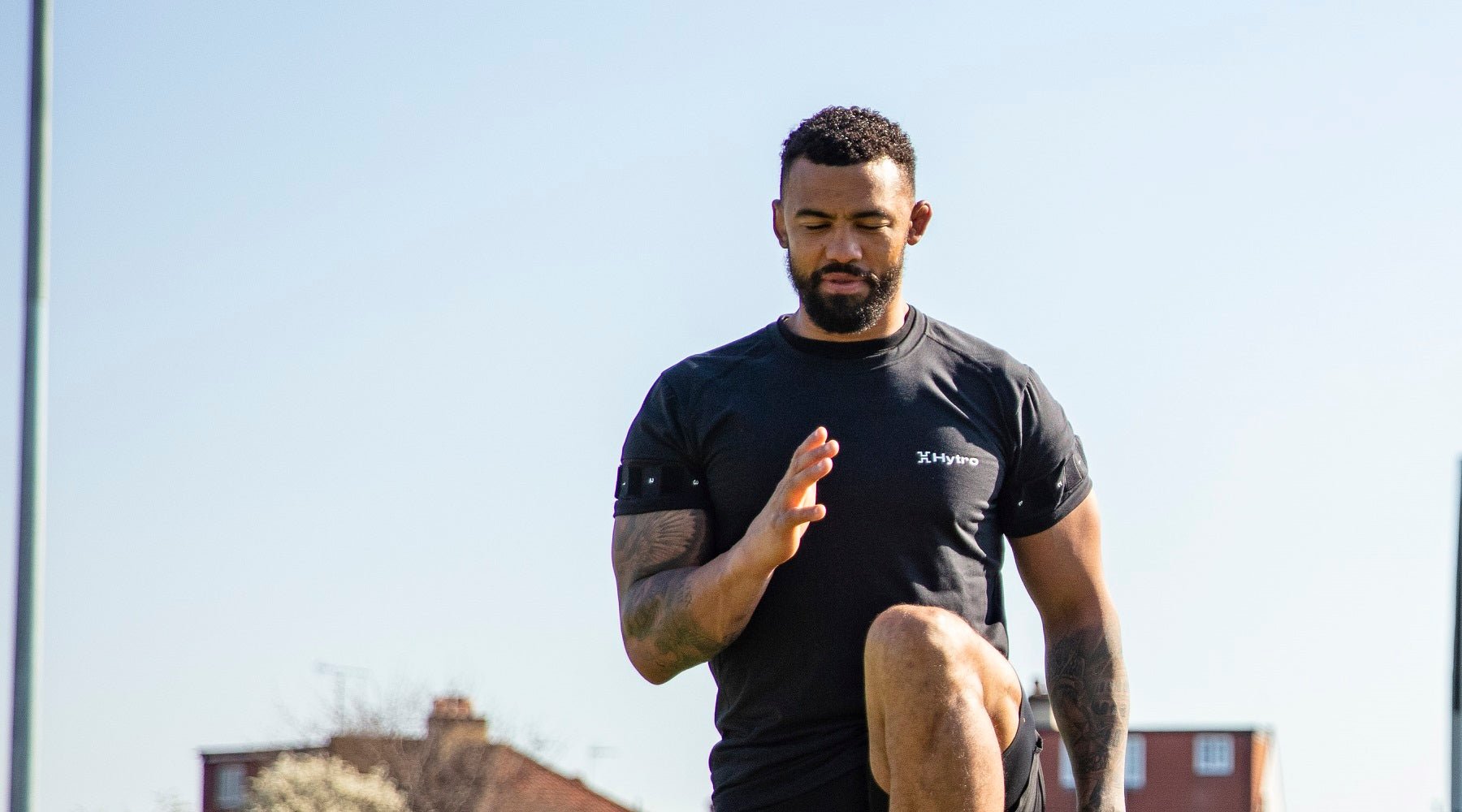
BFR has become one of the tools that allows these athletes to do more without accumulating unnecessary stress. “He’s able to sprint and jump all summer now,” Mark says of one veteran player. “That didn’t used to be possible.”

In-season reality and minimum effective dose
Mark is clear that BFR earns its place because it fits real schedules. “Travel, back-to-backs, late nights, flights at 2 a.m.,” he says. “That’s the reality.” His approach is pragmatic. Short, frequent exposures, integrated into what athletes are already doing.
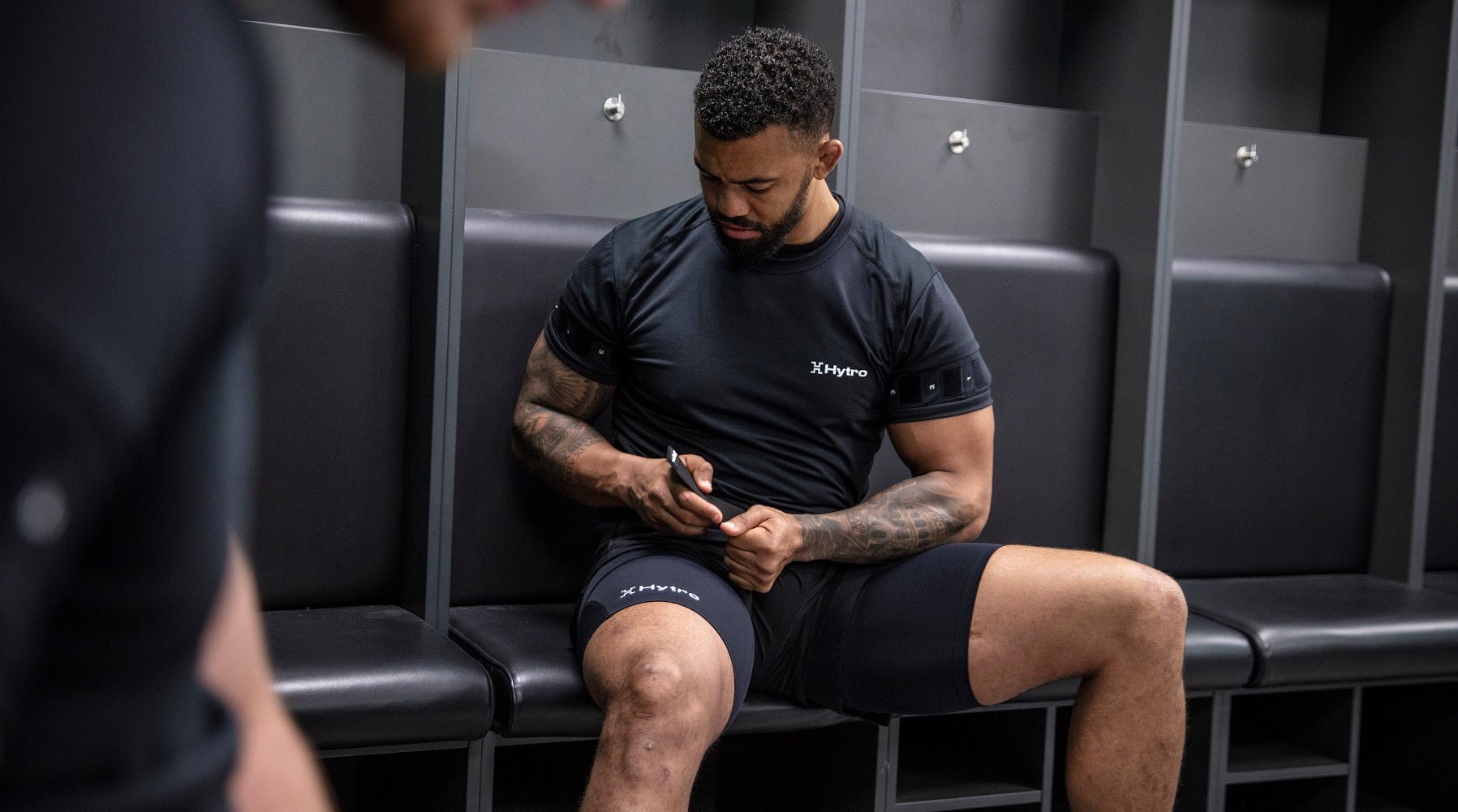
“Flights, hotel pools, post-game routines,” he explains. “Fifteen to twenty minutes. That’s it.” Rather than adding volume, BFR allows him to reduce it while maintaining quality. “If I can cut the work in half and get multiples of the result, why wouldn’t I use it?”
Athlete language that sticks
Mark is deliberate in how he explains BFR to athletes. “I tell them their tissue is dry,” he says. “This pushes blood and nutrients in. We’re greasing the groove.” The simplicity matters. If athletes feel better, buy-in follows.
“Nine times out of ten, they say they feel ready to go,” he says. “And if they don’t like it, we don’t force it.” This autonomy is central to adoption. “Everyone uses it differently,” Mark explains. “Some just for recovery. Some for prep. Some for everything.”

A staple, not a trend
For Mark, BFR is no longer experimental. “This should be in every gym bag,” he says. “Especially where resources are limited.” From junior hockey to elite professionals, the principle is the same. High-quality work over chasing volume.
“Performance is about playing games,” he says. “If a tool helps keep athletes on the ice, it’s earned its place.”
If you are working in environments where resilience, availability and repeatability matter, and you want to understand how BFR is being used in real performance settings, speak to the Hytro team.

Leave a comment
This site is protected by hCaptcha and the hCaptcha Privacy Policy and Terms of Service apply.