
At Soudal Quick-Step, performance is not defined by how fresh a rider feels on day one. It is defined by how well they can continue to perform when fatigue has accumulated, pressure is high, and the margins are razor thin.
In cycling, especially across Grand Tours, availability looks different. It is not about avoiding contact injuries. It is about managing fatigue, stress, and recovery so riders can keep producing at elite levels for weeks at a time.
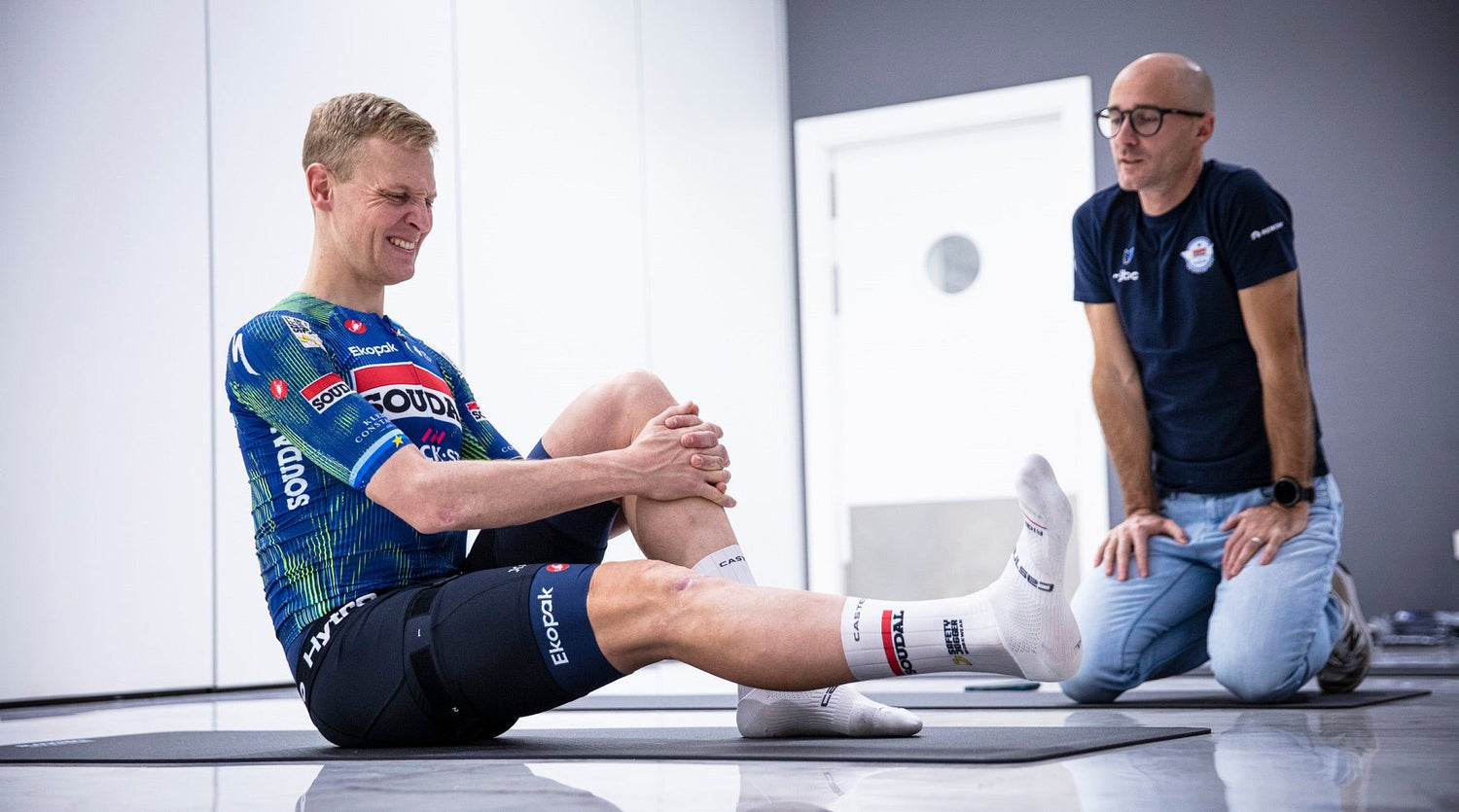
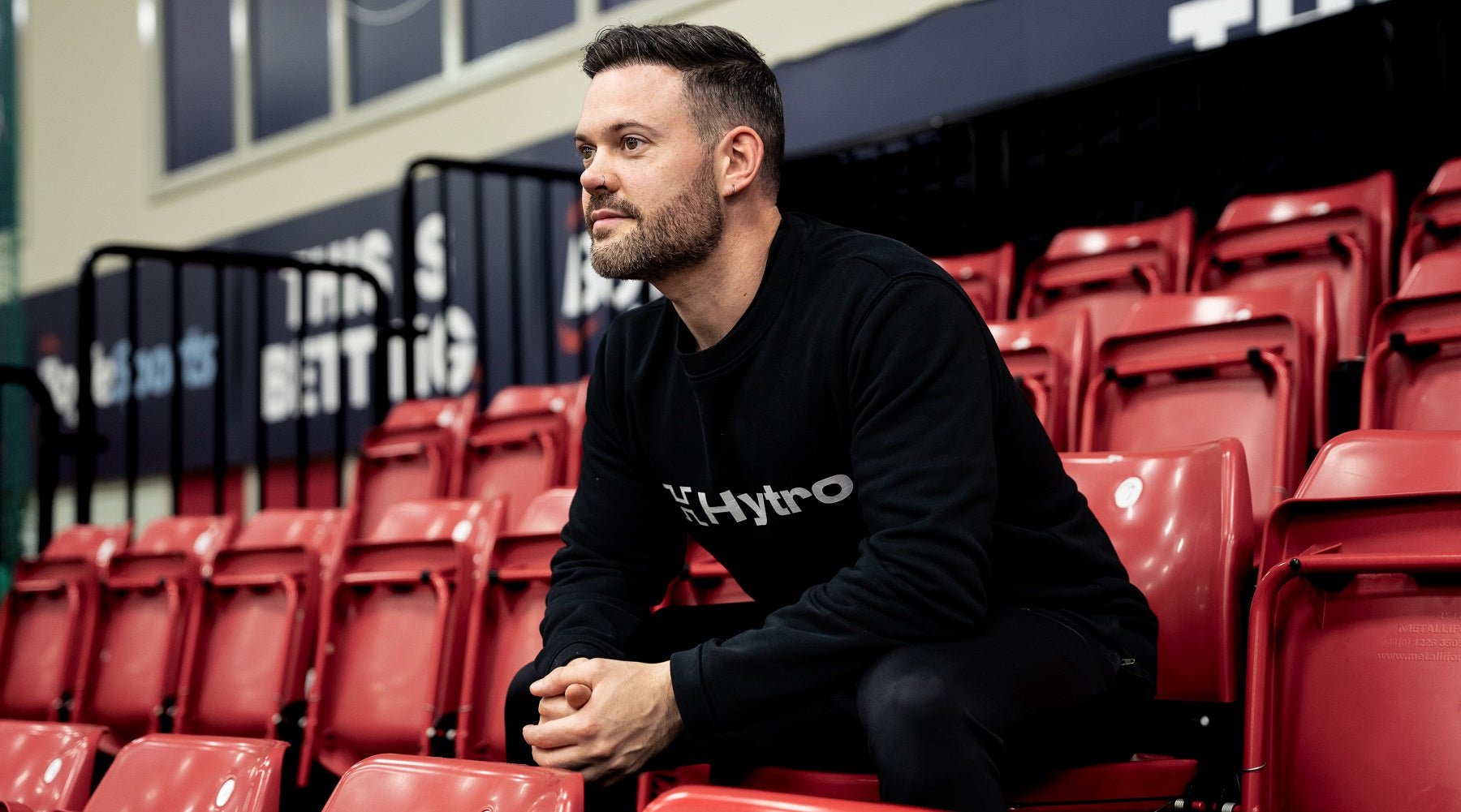
That reality was at the heart of a recent conversation with Soudal Quick-Step coach Tim Declercq and current professional rider Ilan Van Wilder, hosted by Hytro Chief Scientific Officer Dr. Tom Brownlee.

From rider to coach: seeing the season differently
Tim Declerq knows the demands intimately. After 14 years as a professional rider, including seven with Soudal Quick-Step, he has recently transitioned into a coaching role with the team.
The shift has changed his perspective: “As a rider, you feel everything,” he explains. “As a coach, you realise how difficult it is to balance load, recovery, and mental stress across a full season.”
One of the biggest lessons from both sides of the fence is that performance does not suddenly feel easy, even when athletes are in peak condition. “It still hurts the same,” Tim says. “You just go faster, and you can hold on longer.”
That ability to tolerate discomfort repeatedly becomes the real differentiator.
Fatigue, not injury, defines availability in cycling
Unlike contact sports, cycling injuries are more often linked to crashes than tissue breakdown. But fatigue is unavoidable, especially during stage races and Grand Tours.
Ilan describes the experience bluntly: “The first week everything is okay,” he says. “Then it only goes downhill. You have to deal with being tired but still performing.”
What separates riders who survive the season from those who thrive is not simply fitness. It is how well they manage that fatigue.
Some riders can carry a high baseline load across the year. Others need deliberate reset periods to regain form. Recognising those differences early is critical. “It’s not an exact science,” Tim explains. “You can copy the same approach one year and fly, and the next year it doesn’t work.” That uncertainty makes athlete feedback non-negotiable.

Data matters, but connection matters more
Both Tim and Ilan are clear that performance data only has value when it is paired with honest communication. “We can look at heart rate, training load, everything,” Tim says. “But without athlete feedback, it doesn’t mean anything.”
A low heart rate might look positive on paper. Combined with high perceived effort, it may signal accumulating fatigue. “That connection is everything,” he explains. “You need athletes to tell you how they really feel.” Ilan agrees. “If I feel tired or I feel something coming, I’ll speak up,” he says. “Pushing through when it’s not right is useless.”
That trust allows coaches to intervene before performance drops sharply, rather than reacting after the fact.
Grand Tours: when stress finally catches up
Few environments test resilience like a three-week race. Tim describes a pattern that many riders experience. “During the race, you keep going,” he says. “You’re amazed how fast you still are on stage twenty-one.”
But the moment the race ends, the system releases. “The day after, you can suddenly feel terrible,” he explains. “All the stress comes out at once.”
Ilan recalls a similar experience after the Tour de France, where illness only fully surfaced once the racing stopped. The lesson is clear. High performance can mask fatigue temporarily, but recovery still needs to be addressed proactively.

Where BFR fits into the recovery system
For Ilan, Blood Flow Restriction has become part of that proactive approach. His introduction to BFR came before Hytro officially partnered with the team, through education sessions on its potential benefits. When Hytro was integrated, adoption was straightforward.
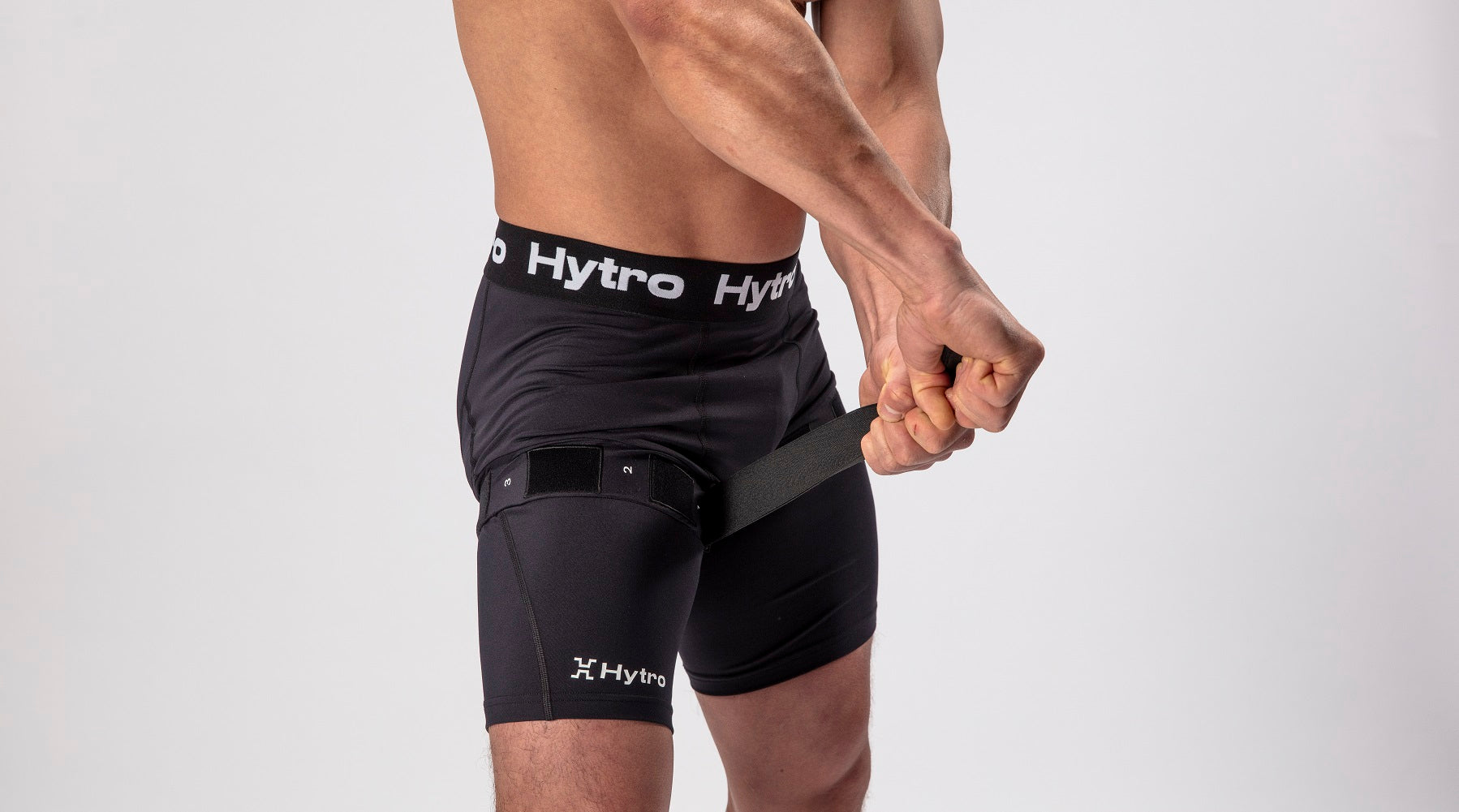
“I use it mainly for recovery,” Ilan explains. “After the race, I shower, then the first thing I do is put on my Hytro shorts.” He combines the protocol with nutrition, often drinking his recovery shake while using BFR.
“I really feel it in my legs,” he says. “The lactate flushing out, the heat in the muscles. After that, I feel great in my legs,” he says. “That’s why I like it.”
A tool that fits real constraints
For Tim, the value of BFR is not theoretical. It fits the constraints riders actually face. “There are so many recovery options,” he says. “But time and energy are limited.” BFR works because it can be used passively, without adding extra stress or extending already long days.
“It’s easy to use when you’re not doing anything else,” Tim explains. “On the bus, after the race.”
He also sees potential beyond recovery. “In strength training, especially in the winter, there’s a real benefit,” he says. “You can get stimulus with reduced external load.”
That ability to create adaptation without adding mechanical stress is particularly valuable across long seasons.

Built to Outperform on small margins
Cycling is a sport of fractions, half a per cent matters. Ilan is clear on what excites him about innovation. “Even half a per cent better is huge,” he says. “The level is so high.”
At Soudal Quick-Step, tools are judged on whether they help riders show up day after day, across races that stretch athletes to their limits. Performance is not about feeling perfect. It is about sustaining output when perfection is impossible.
In that environment, recovery, readiness, and trust between riders and staff are the true performance multipliers.
If you are working in endurance environments where fatigue management and repeatability matter, and you want to understand how BFR is being used in elite cycling, learn more here.


Leave a comment
This site is protected by hCaptcha and the hCaptcha Privacy Policy and Terms of Service apply.