
Promotion-winning seasons are built on more than tactics and talent. Across a demanding Championship campaign, success often comes down to a team's ability to consistently put fresh, healthy and available players on the pitch. With fixtures arriving every few days and recovery windows shrinking throughout the season, managing fatigue becomes a competitive advantage.
For Matt Busby, Head of Performance at Hull City, freshness sits at the centre of everything. During a season that ultimately ended with promotion to the Premier League, his role was to help players recover, perform and stay available through one of football's most physically demanding competitions.
It's a philosophy that aligns closely with the work of Dr Warren Bradley, former Head of Sports Science at Hull City and now Head of Performance Research at Hytro. Having experienced the demands of Championship football first-hand, both understand that effective recovery isn't about doing more; it's about doing the right things at the right time.
The Championship challenge
"The biggest thing for us is freshness," explains Matt. "Being ready for every single game. Obviously, in the Championship, games come thick and fast. So, for us it is how can we get the players ready, fit, fresh to go again game after game after game."
Regular Saturday-Tuesday schedules leave little room for recovery. Players need to recover from one performance while preparing for the next, often within 72 hours.
In this environment, recovery strategies must be practical, efficient and easy to implement.
Recovery across a promotion campaign
Sustaining performance across an entire Championship season requires more than preparing for the next match. It demands consistency over months of competition.
Teams pushing for promotion face the challenge of maintaining intensity, freshness and player availability across 46 league matches, cup competitions and periods of fixture congestion.
For performance staff, every small gain matters. The ability to accelerate recovery, reduce accumulated fatigue and help players feel ready to perform again becomes increasingly valuable as the season progresses.
Hull City's successful promotion campaign highlighted the importance of having trusted processes in place that players can rely on week after week.

Building recovery into the day
Rather than adding additional sessions or extending time at the training ground, Hull City integrate Hytro BFR into work players are already completing.
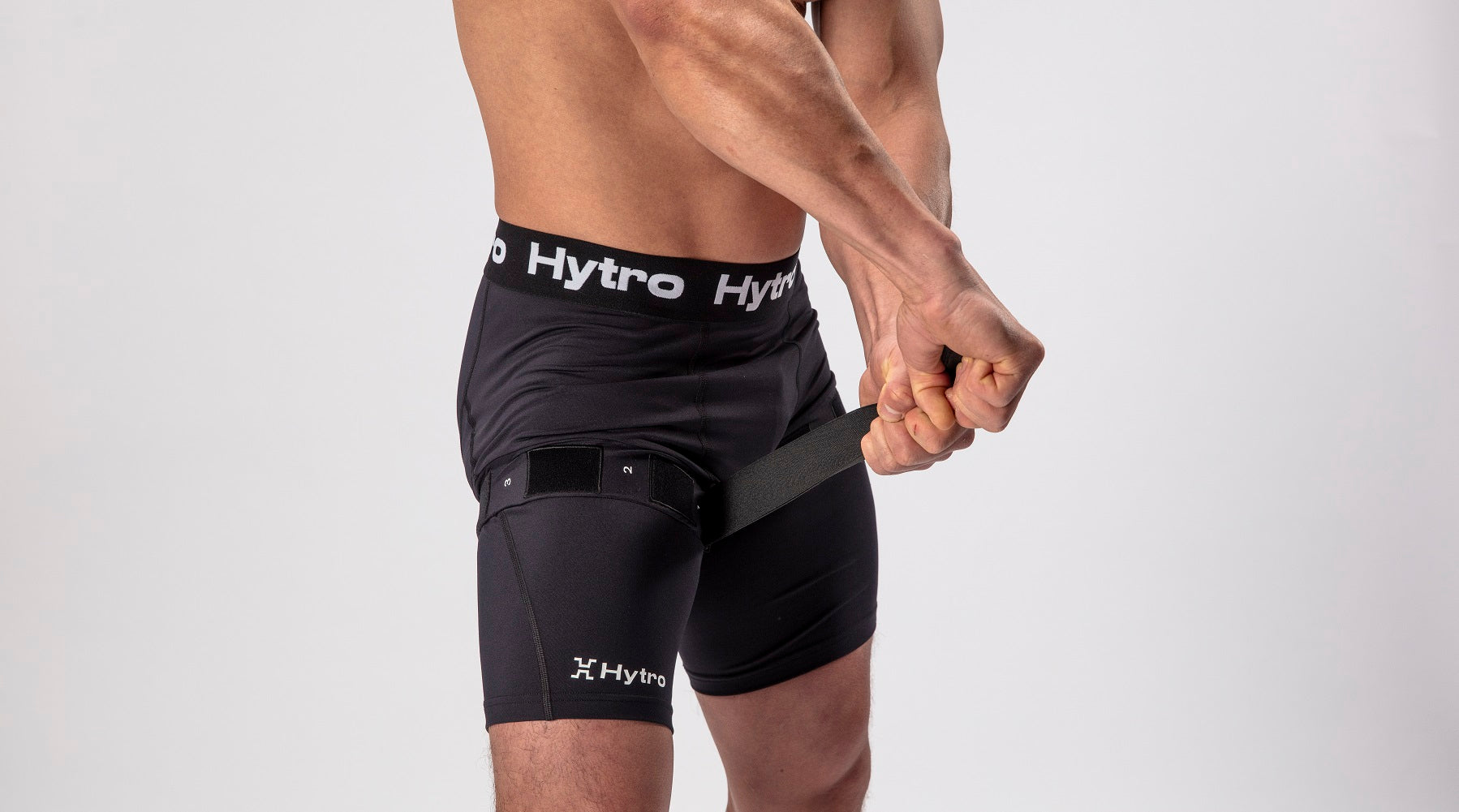
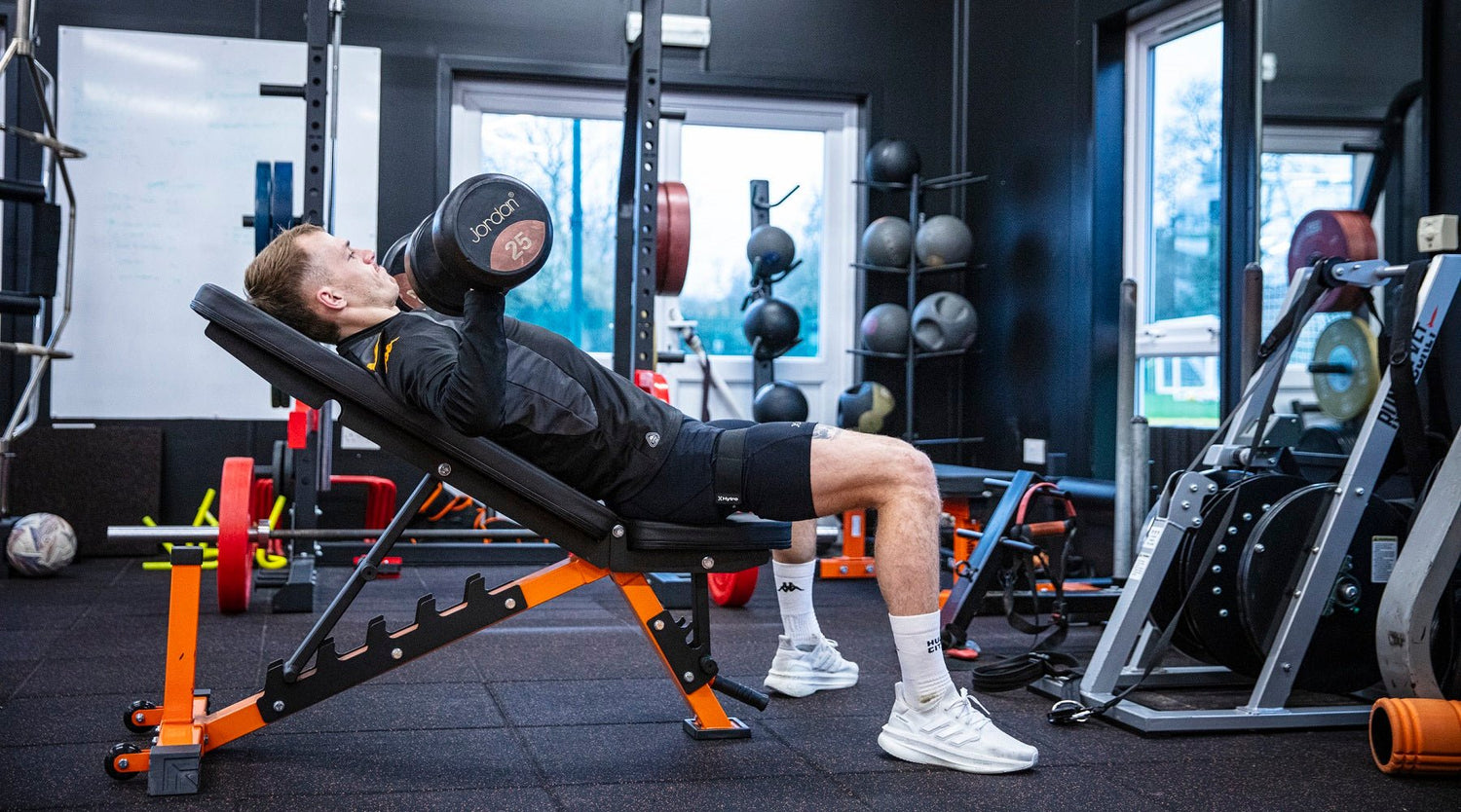
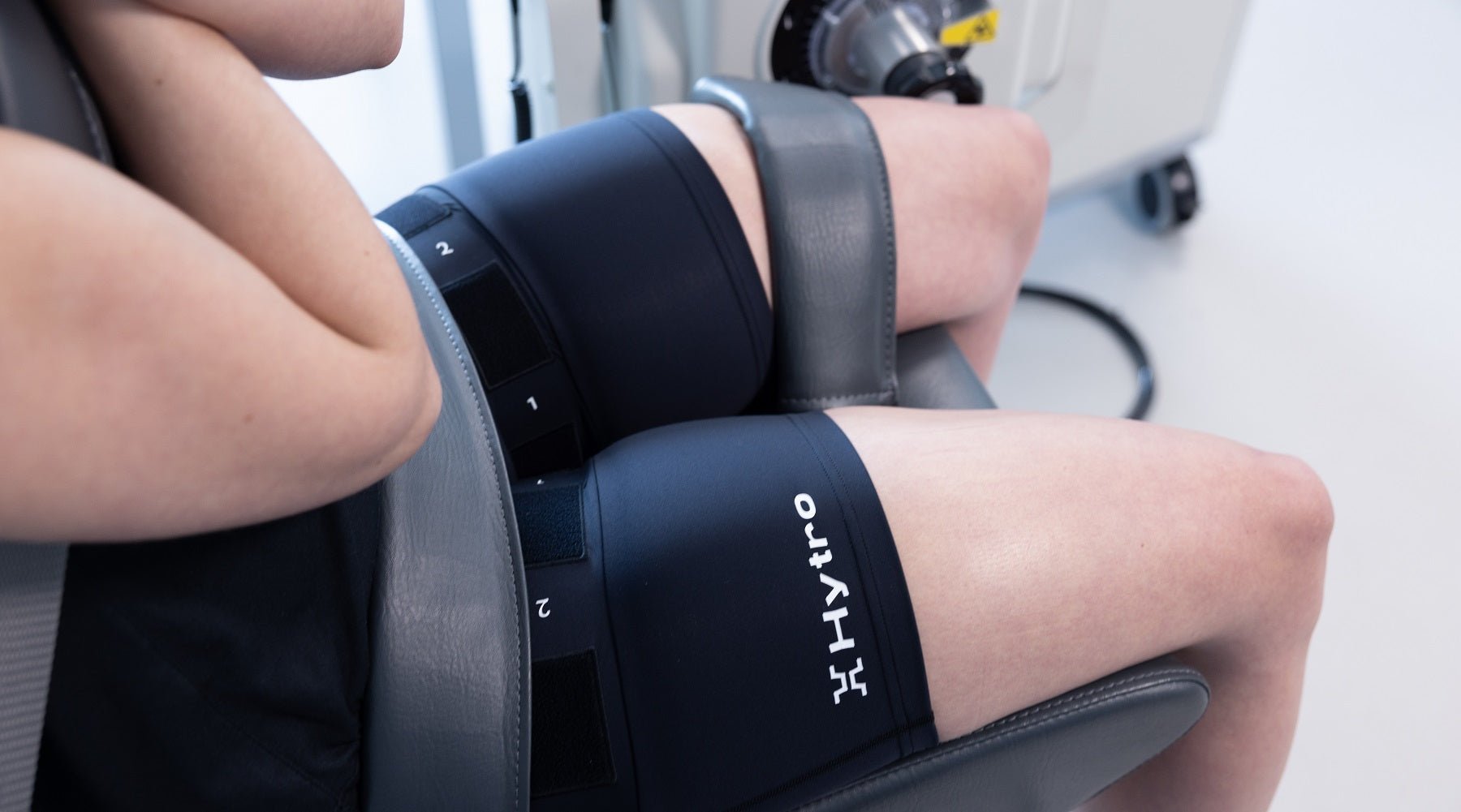
Following an active recovery session on the pitch, players move into the gym for mobility work and upper-body training. During this session, they wear Hytro BFR Performance Shorts to receive a Passive BFR stimulus.
"It gives us an opportunity to give them a Passive BFR stimulus to try and optimally recover them, but whilst they're doing what they would normally be doing anyway."
For practitioners, this solves a common challenge. Players are already balancing training, treatment, meetings, travel and recovery commitments. Adding another intervention isn't always realistic.
Instead, Recovery BFR becomes part of the session rather than another item on the schedule. "It's just maximising the sessions whilst they're here."
Why recovery starts immediately
One of the key advantages of Hytro BFR is how quickly it can be deployed. At Hull City, recovery doesn't wait until the following day. "Straight after the game, the first thing we do is get the lads on BFR."
Players are often using Hytro within 30 minutes of the final whistle, allowing the recovery process to begin almost immediately. This aligns with growing interest in the use of restriction-and-release protocols following competition. Research and practitioner experience suggest that strategically manipulating blood flow may help support circulation and recovery processes, without requiring additional physical effort from the athlete.
For Matt, the value is largely practical: "Time's a healer, and we don't have time."
When recovery windows are limited, interventions need to be quick, accessible and easy to deliver.

Recovery without additional load
A major benefit of Passive Recovery BFR is the ability to provide a recovery stimulus without adding further mechanical stress.
Following a high-intensity match, players may accumulate significant fatigue through repeated accelerations, decelerations, collisions and high-speed running. The goal is often to enhance recovery without creating additional workload.
Hull City achieves this by combining BFR with activities players would be performing regardless.
Players complete:
-
Three sets of five minutes at maximum occlusion
-
Two minutes of recovery between sets
- Alongside their scheduled upper-body gym session
This allows the performance team to target recovery while maintaining the structure of the existing programme.
For teams operating in congested schedules, this ability to integrate recovery into existing sessions can be particularly valuable. Rather than asking athletes to do more, practitioners can maximise the effectiveness of the time they already have.
Recovery supports availability
For Busby, recovery isn't simply about helping players feel better. It's about supporting both performance and availability. "Every game is a battle in the Championship. The players have to be fit, fresh and ready to perform."
The rationale is straightforward. Better recovery creates a greater opportunity for players to perform optimally and may help reduce the accumulation of fatigue across a demanding season.
"We also need to reduce the risk of injury. The quicker and better that we can recover players, the increased possibility that we reduce the chance of picking up an injury."
In elite sport, availability remains one of the most important performance metrics. Recovery interventions that help players consistently train and compete can have a significant impact across a season.
Creating player buy-in
The most effective recovery strategies are often the ones players actually use. Matt believes one reason Hytro BFR has become embedded at Hull City is that it doesn't require players to dramatically change their routines. "I think players buy into Hytro because it doesn't change what they need to do."
The intervention is quick, simple and fits naturally into existing processes. Over time, that consistency has helped establish trust among the squad. "It's become the norm."
Players understand the purpose, expect it as part of the recovery process and, importantly, feel the benefits. "It's become a recognised and trusted option for them."

Built to Outperform
When asked what "Built to Outperform" means in Hull City's environment, Matt's answer reflects the mindset shared by high-performing teams across elite sport. "We're always looking for excellence. But what is excellence? I don't think there's a limit to that."
For him, outperforming isn't a destination. It's a continual process of refinement, improvement and searching for better ways to support players. "We will always try and improve, and outperform, and be the best that we can every given opportunity."
Hull City's return to the Premier League was built on countless contributions from across the club. For the performance department, that meant creating an environment where players could consistently recover, train and compete at their highest level throughout a demanding Championship season.
Matt's philosophy reflects a mindset shared by many elite practitioners: performance and recovery are not separate objectives. They are part of the same process.
In a promotion race where every point matters, giving players the best opportunity to be fresh, available and ready to perform can make all the difference.
Learn more about Hytro for soccer or start a trial click here.


Leave a comment
This site is protected by hCaptcha and the hCaptcha Privacy Policy and Terms of Service apply.