
Supporting the whole system, not just muscles
Performance is not just muscular. It is systemic. Training, competition, and travel all place demands on the nervous system. When this system is not fully recovered, it can impact readiness, sleep, and overall performance, even if the athlete feels physically recovered.
What the research shows
Emerging research suggests that BFR may influence systemic responses beyond the muscle, including cardiovascular and neurological factors.
Changes in circulation, autonomic function, and physiological stress responses have been observed, indicating a potential role for BFR in supporting overall recovery and readiness.
While this area is still developing, it highlights a broader application beyond local muscular effects.

What this means for coaches
Recovery needs to be considered at a system level.
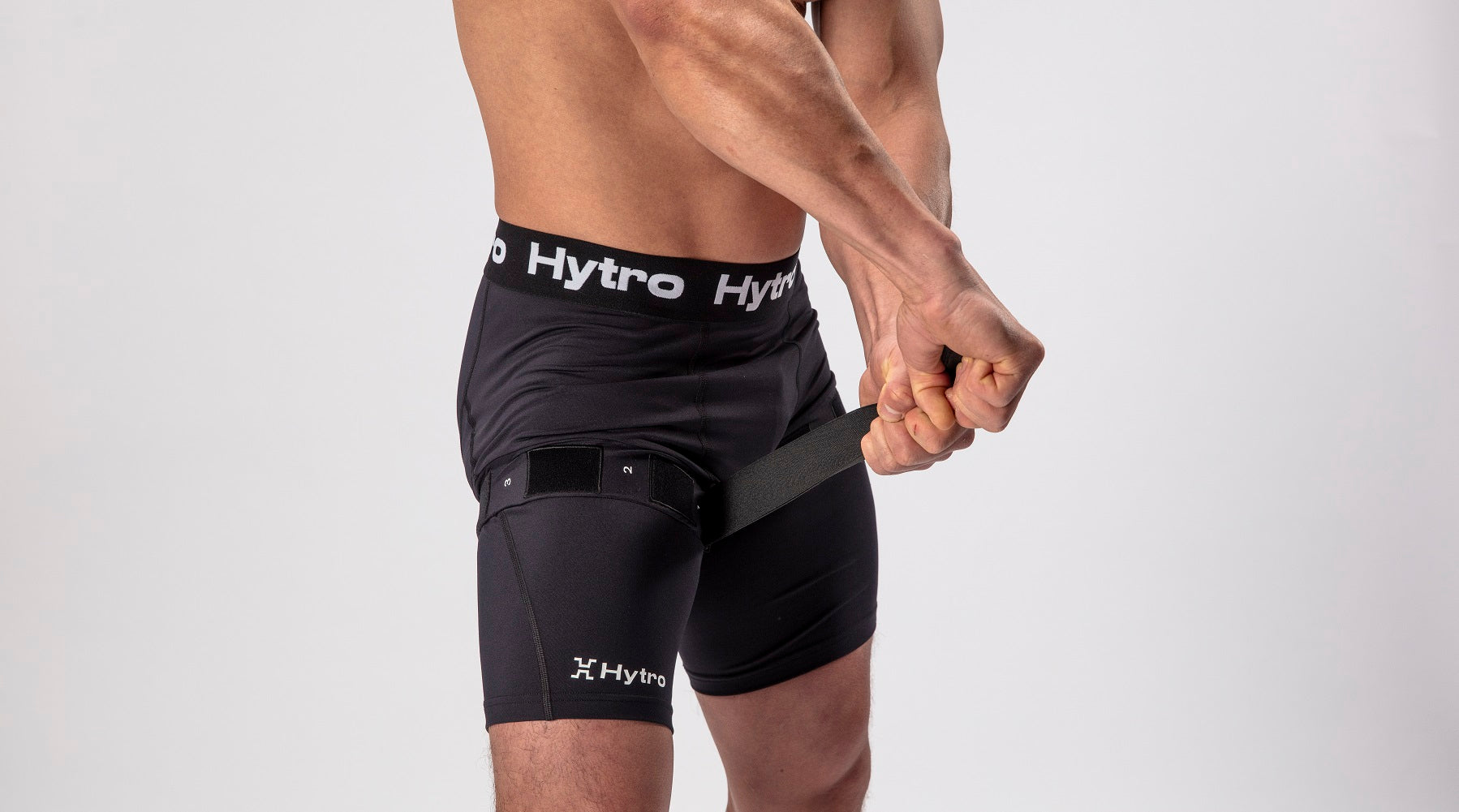
Hytro BFR offers a potential tool to support not just muscular recovery, but overall readiness. This is particularly relevant during periods of travel, congested schedules, or high cumulative stress.
It provides another way to support athletes when traditional recovery strategies may not fully address systemic fatigue.
How it shows up in practice
Hytro BFR can be used during recovery periods, either as a standalone intervention or alongside other modalities.
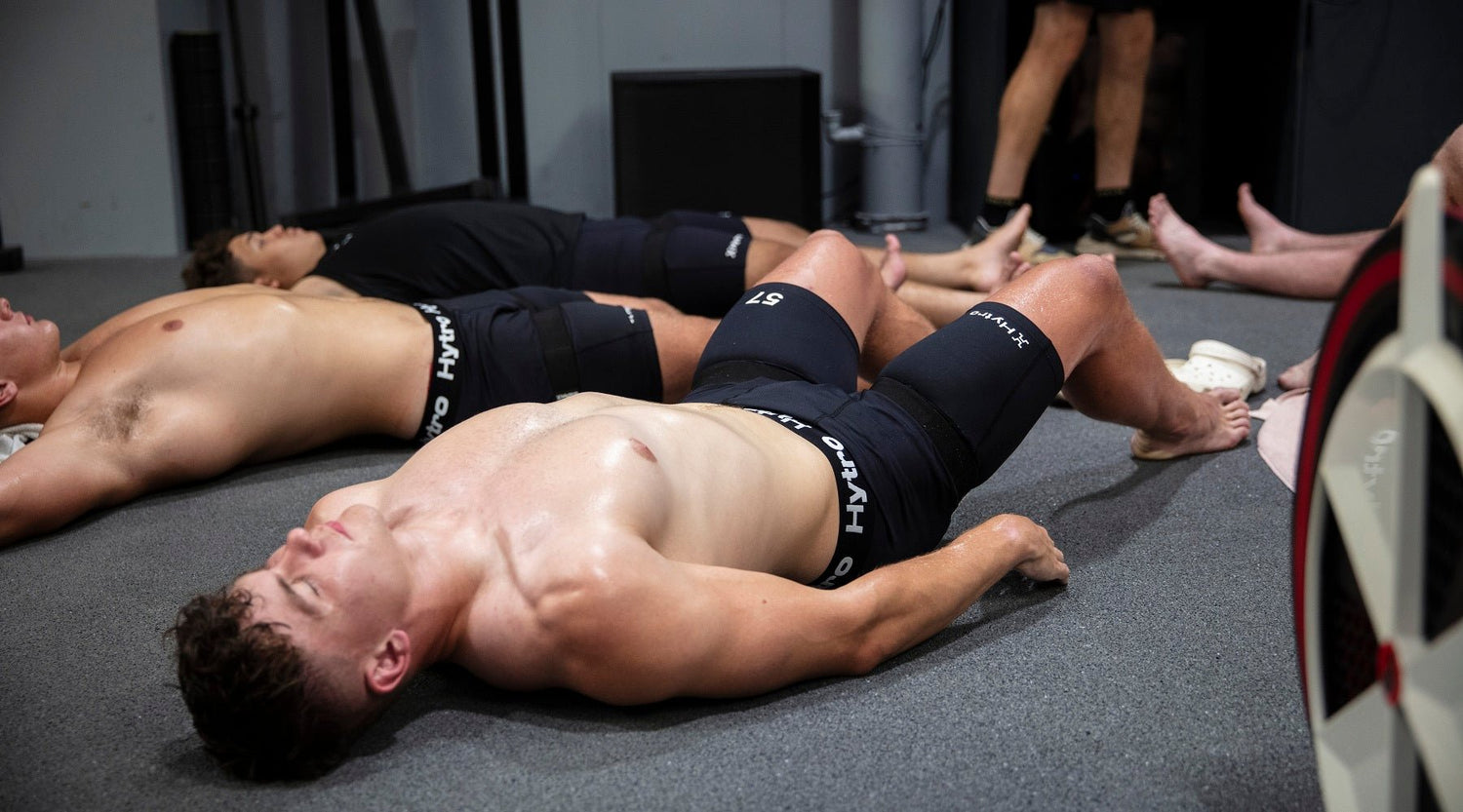
Applications are typically low intensity and focused on supporting circulation and relaxation, rather than creating additional stress. This can be particularly useful in managing overall fatigue across a training week.

Where Hytro fits
Systemic recovery strategies need to be flexible.
Hytro’s wearable BFR system allows athletes to use BFR in a wide range of environments, including during travel, at home, or alongside other recovery modalities such as pool work, sauna, or cold exposure.
Because it is simple to use and does not require supervision, it can be applied more frequently, supporting ongoing recovery rather than isolated sessions.
As understanding of systemic recovery continues to evolve, having a tool that is adaptable and easy to integrate becomes increasingly valuable. Hytro provides that flexibility, helping support the whole system, not just the muscle.
Research references
Junior AF, Schamne JC, Perandini LAB, Chimin P, Okuno NM. Effects of Walking Training with Restricted Blood Flow on HR and HRV Kinetics and HRV Recovery. Int J Sports Med. 2019 Sep;40(9):585-591. doi: 10.1055/a-0942-7479. Epub 2019 Jul 4. PMID: 31272111.
Leszczynski S, Gleadhill S, Bennett H. The effect of individualised post-exercise blood flow restriction on recovery following strenuous resistance exercise: A randomised controlled trial. J Sports Sci. 2024 Jun;42(12):1090-1098. doi: 10.1080/02640414.2024.2383073. Epub 2024 Jul 25. PMID: 39052677.



Leave a comment
This site is protected by hCaptcha and the hCaptcha Privacy Policy and Terms of Service apply.