
Building capacity without increasing stress
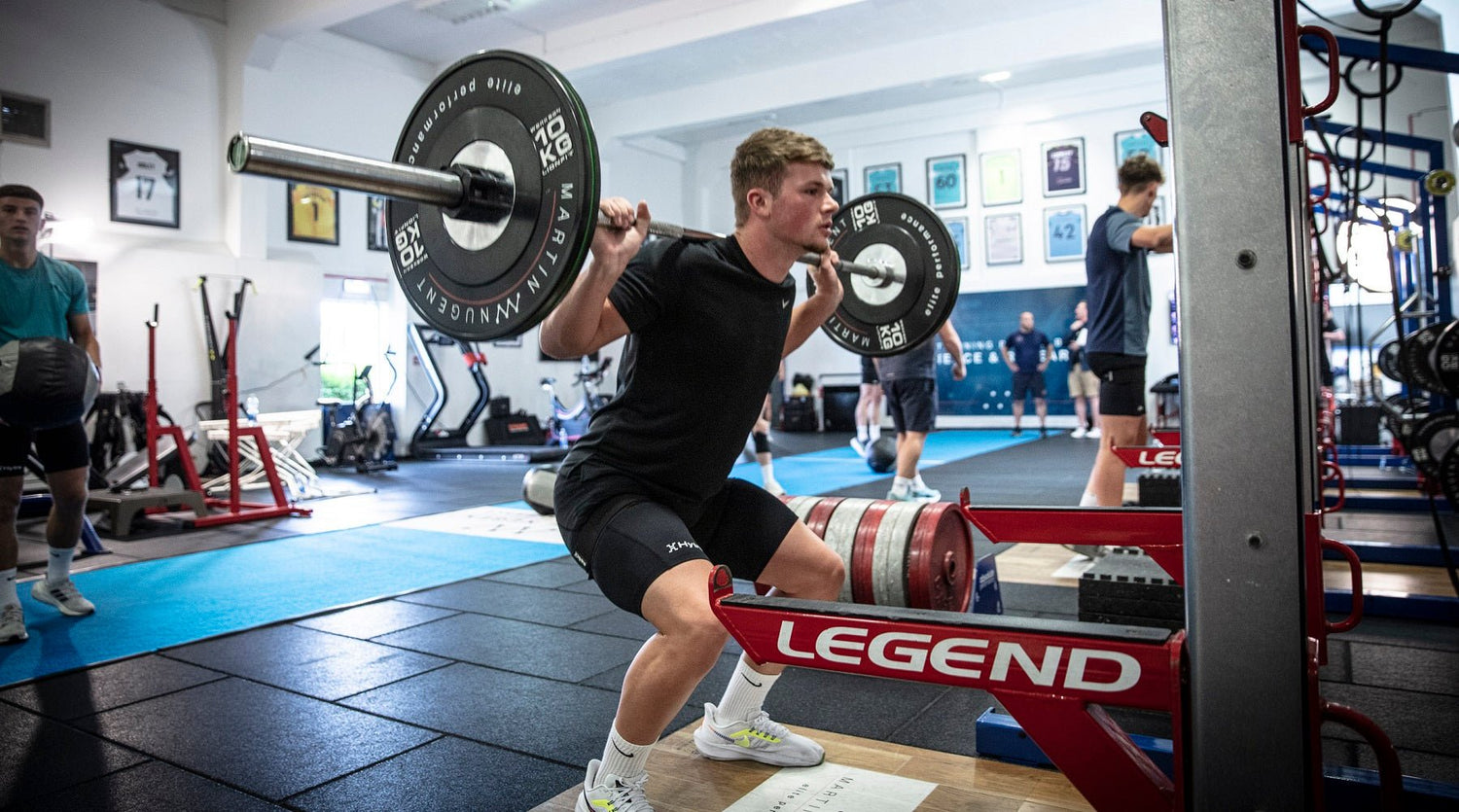
Conditioning underpins everything. Whether it is repeated efforts, sustained intensity, or the ability to recover between actions, aerobic capacity plays a central role in performance. The challenge for coaches is how to develop and maintain that capacity without adding excessive mechanical load, particularly during in-season periods or when managing player availability.
What the research shows
BFR Training has been shown to drive aerobic adaptations at significantly lower intensities than traditional conditioning methods.
Low-intensity exercise performed with BFR has been linked to improvements in aerobic capacity, vascular function, and muscular endurance. These adaptations are typically associated with higher training loads, yet BFR allows them to be achieved with reduced mechanical stress.
This makes it particularly valuable in environments where high running volumes or high-intensity conditioning need to be limited.

What this means for coaches
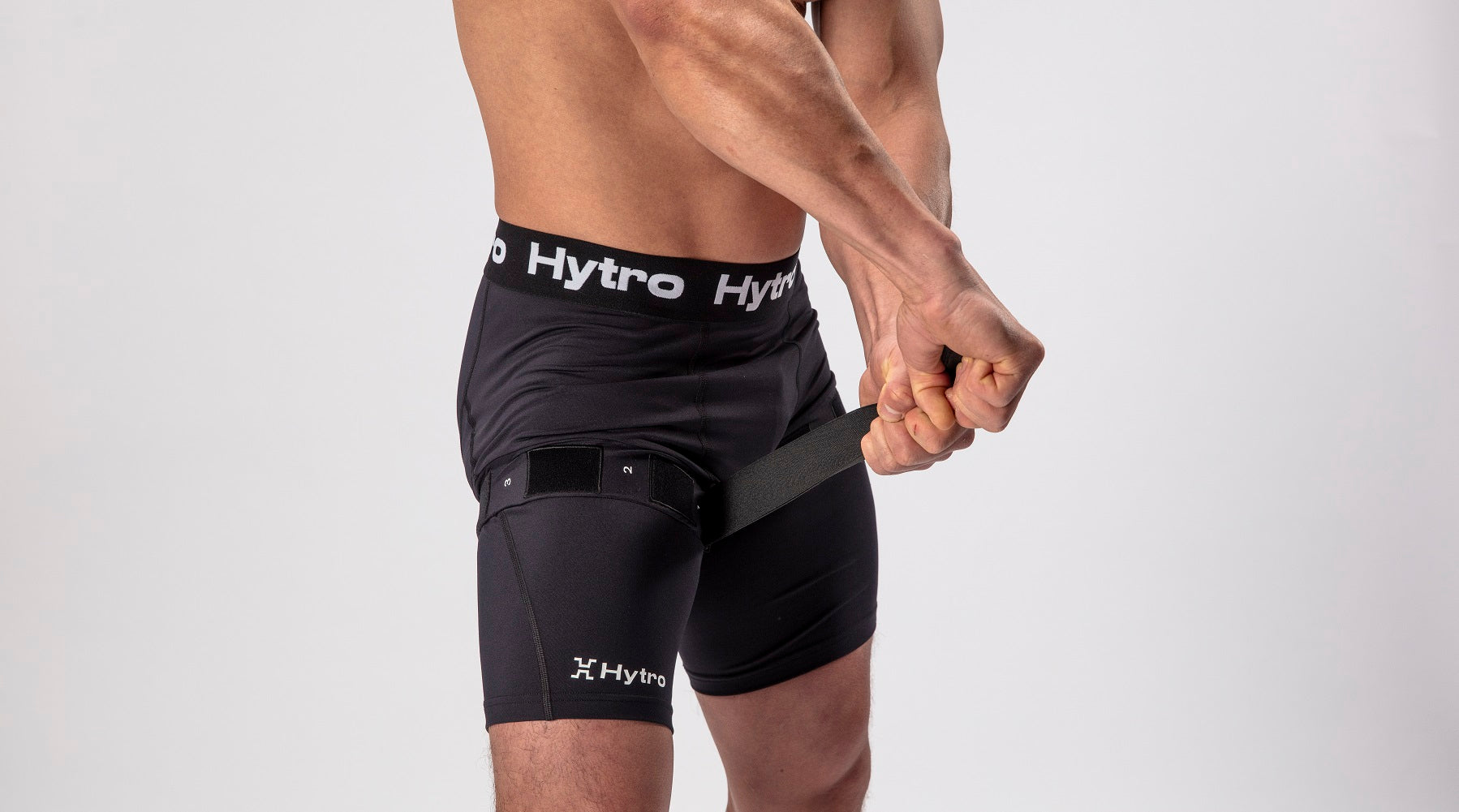
Conditioning is no longer tied exclusively to high load. Hytro BFR provides an alternative way to develop and maintain aerobic capacity without increasing the physical demands on the athlete. This is particularly useful when managing fatigue, during return to play, or when trying to reduce overall training load without losing fitness.
It also creates more flexibility in how conditioning is delivered, allowing coaches to adapt their approach based on the demands of the schedule.
How it shows up in practice
In practice, Hytro BFR can be applied to low-intensity aerobic work such as cycling, walking, or controlled conditioning sessions.
These sessions are typically shorter and less physically demanding than traditional conditioning, making them easier to integrate alongside training without adding significant fatigue.
Over time, this allows athletes to maintain or develop their aerobic base while still managing overall load.

Research references
Abe T, Fujita S, Nakajima T, Sakamaki M, Ozaki H, Ogasawara R, Sugaya M, Kudo M, Kurano M, Yasuda T, Sato Y, Ohshima H, Mukai C, Ishii N. Effects of Low-Intensity Cycle Training with Restricted Leg Blood Flow on Thigh Muscle Volume and VO2MAX in Young Men. J Sports Sci Med. 2010 Sep 1;9(3):452-8. PMID: 24149640; PMCID: PMC3761718.
Explore more of the research behind BFR and its role in performance and recovery.


Leave a comment
This site is protected by hCaptcha and the hCaptcha Privacy Policy and Terms of Service apply.