
In-season, the challenge is not building physical qualities. It is maintaining them.
With reduced training time, increased travel, and repeated exposure to competition, strength and muscle can begin to decline. The difficulty for coaches is finding ways to maintain these qualities without adding further fatigue or mechanical stress.
What the research shows
A growing body of research has demonstrated that Blood Flow Restriction can maintain, and in some cases improve, strength and muscle size using significantly lower loads than traditional resistance training.
Low-load BFR Training has been shown to stimulate hypertrophy and strength adaptations comparable to higher-load training, making it particularly useful in periods where heavy loading is not possible.
In applied settings, this has translated into the ability to preserve muscle mass and neuromuscular output during congested schedules, taper periods, or reduced training blocks.

What this means for coaches
This shifts how in-season training can be approached. Rather than relying solely on reduced versions of traditional strength work, BFR offers a way to maintain stimulus without the same physical cost. This reduces the trade-off between recovery and performance that often defines in-season planning.
It also provides a more flexible option. Maintenance work no longer needs to be tied to heavy gym sessions, which are often the first thing removed when time is limited.
How it shows up in practice
In practical terms, this can look like short, low-load sessions integrated into the week, either in place of or alongside reduced strength work.
It can also be used in micro-doses around training, helping maintain stimulus without extending session length or increasing fatigue. This is particularly useful during travel or in weeks with multiple fixtures, where traditional loading becomes difficult to manage.
Over time, these small, consistent inputs help prevent the gradual decline that often occurs across a season.
Where Hytro fits
If BFR is going to be used consistently in-season, it has to work in real environments.
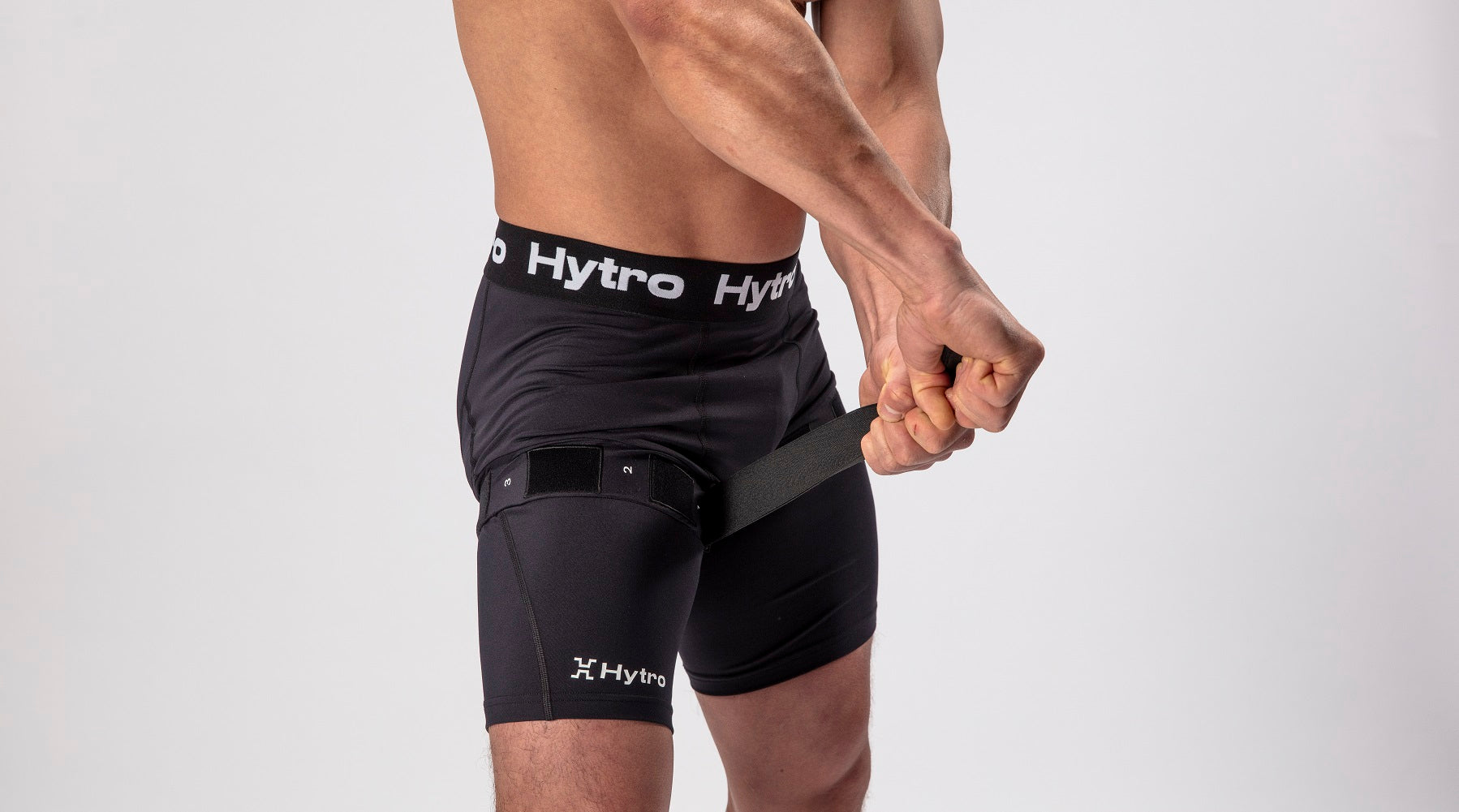
Hytro’s wearable BFR system is designed around that reality. It allows players to apply BFR independently, without supervision, making it scalable across an entire squad rather than limited to one-to-one sessions.
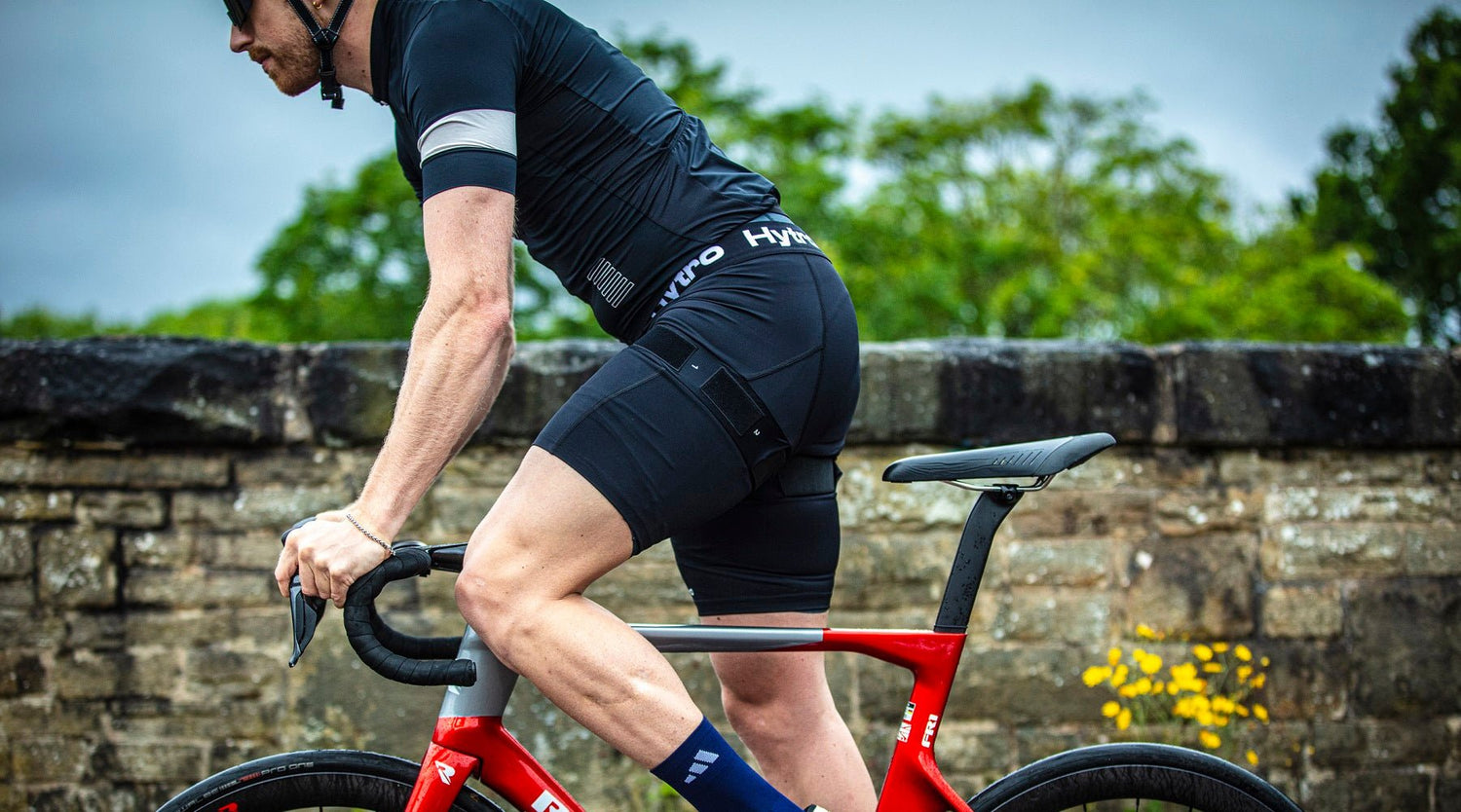
Because it is portable, it moves with the athlete. It can be used in the gym, around training, during travel, or in recovery environments like the pool or sauna. That flexibility removes one of the biggest barriers to adoption, which is reliance on specific setups or locations.

Most importantly, it supports consistency.
In-season maintenance is not about one session. It is about repeated exposure across weeks and months. A wearable system that players can use easily, wherever they are, makes that consistency far more achievable, and in high-performance environments, consistency is what ultimately protects performance.
Discover how Joe Truman applies BFR in-season to maintain stimulus while staying fresh for competition.


Leave a comment
This site is protected by hCaptcha and the hCaptcha Privacy Policy and Terms of Service apply.