
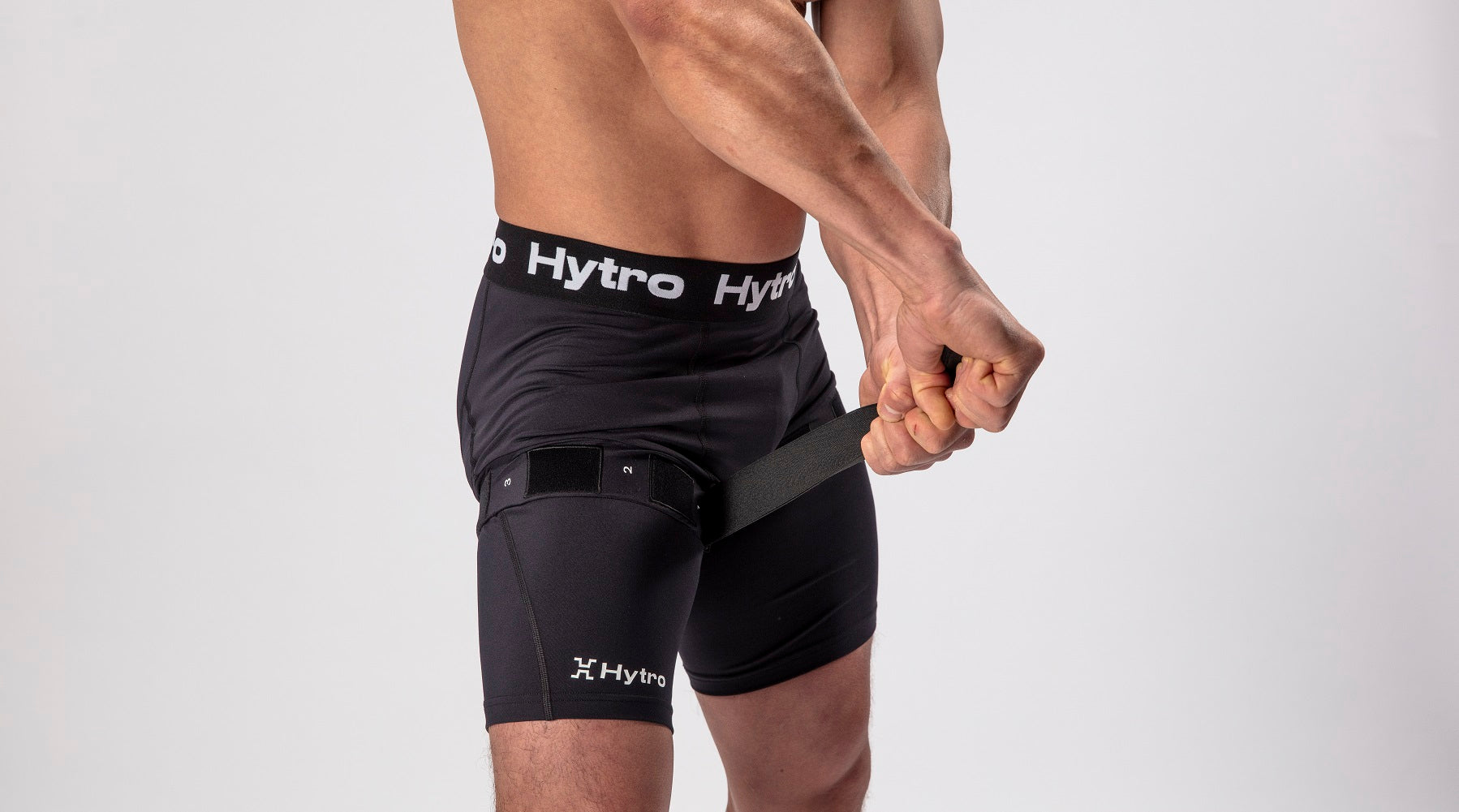

In many performance environments, the gap between sessions is where outcomes are decided.
When players are required to train multiple times in a day, or within short turnaround windows, the ability to reset quickly becomes critical. It is not just about reducing soreness, but about restoring the system so that the next session can be delivered at the required intensity.
What the research shows
Research into BFR highlights its role in enhancing blood flow and vascular response following exercise.
The release of restriction leads to a surge in blood flow, increasing oxygen delivery and supporting nutrient transport to the working muscles. This process contributes to improved tissue perfusion, which is essential for recovery and preparation between sessions.
There is also evidence that BFR can support metabolic recovery, helping restore the internal environment of the muscle more efficiently following high-intensity work.

What this means for coaches
Between-session periods are no longer passive.
Instead of simply allowing time for recovery, coaches can support the physiological processes that underpin readiness. This becomes particularly important during double training days or intensive training blocks, where incomplete recovery can impact the quality of the second session.
By improving how quickly the body resets, BFR helps maintain training standards across the day.
How it shows up in practice
BFR can be used in the window between sessions, either shortly after the first session or closer to the second.
Applications are typically short and low intensity, designed to support circulation and tissue readiness rather than create fatigue. This makes them easy to integrate without disrupting the flow of the day.
Over time, this can help maintain output across sessions, reducing the drop-off that often occurs when recovery is incomplete.

Where Hytro BFR fits
Between-session work only has value if it fits into the schedule.
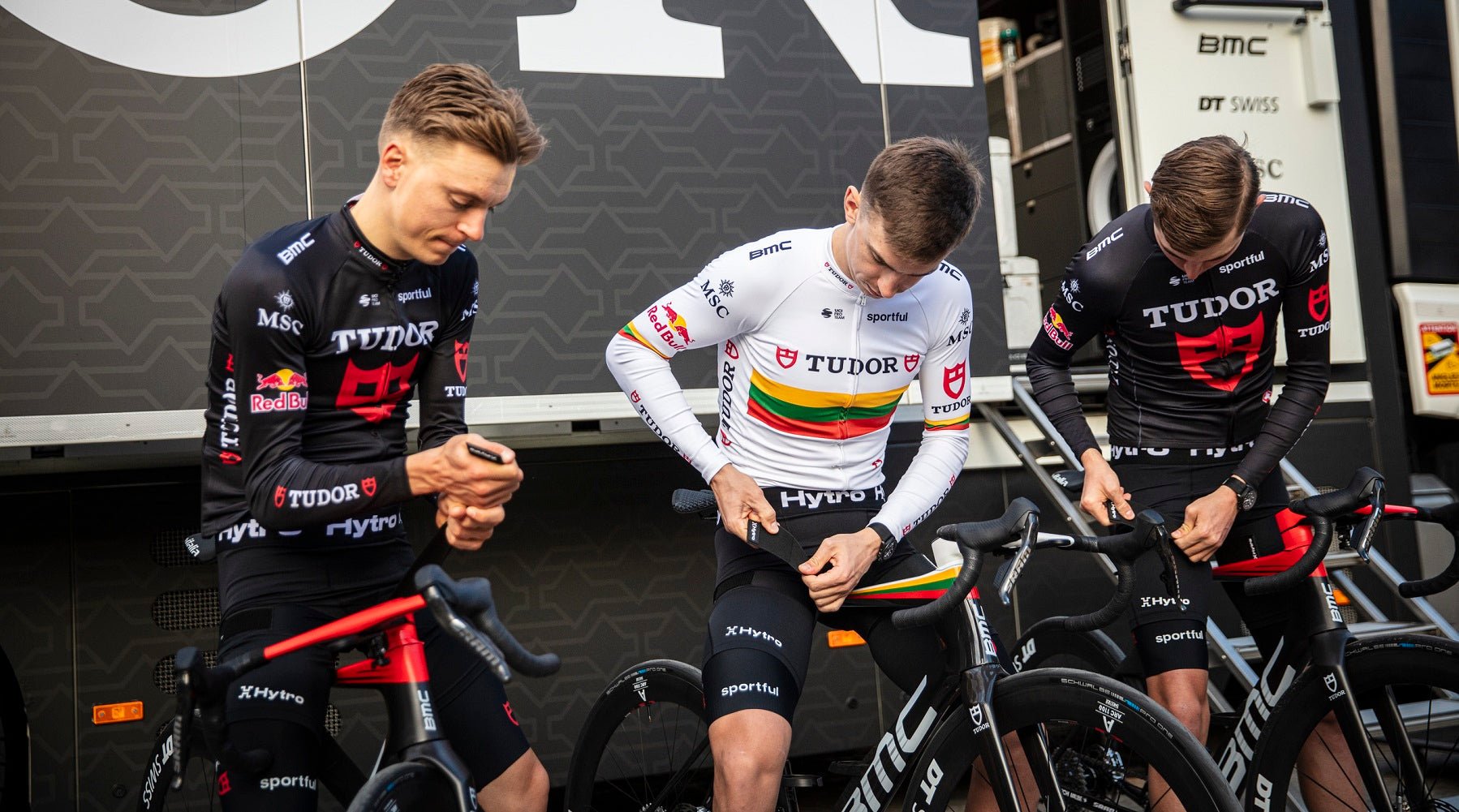
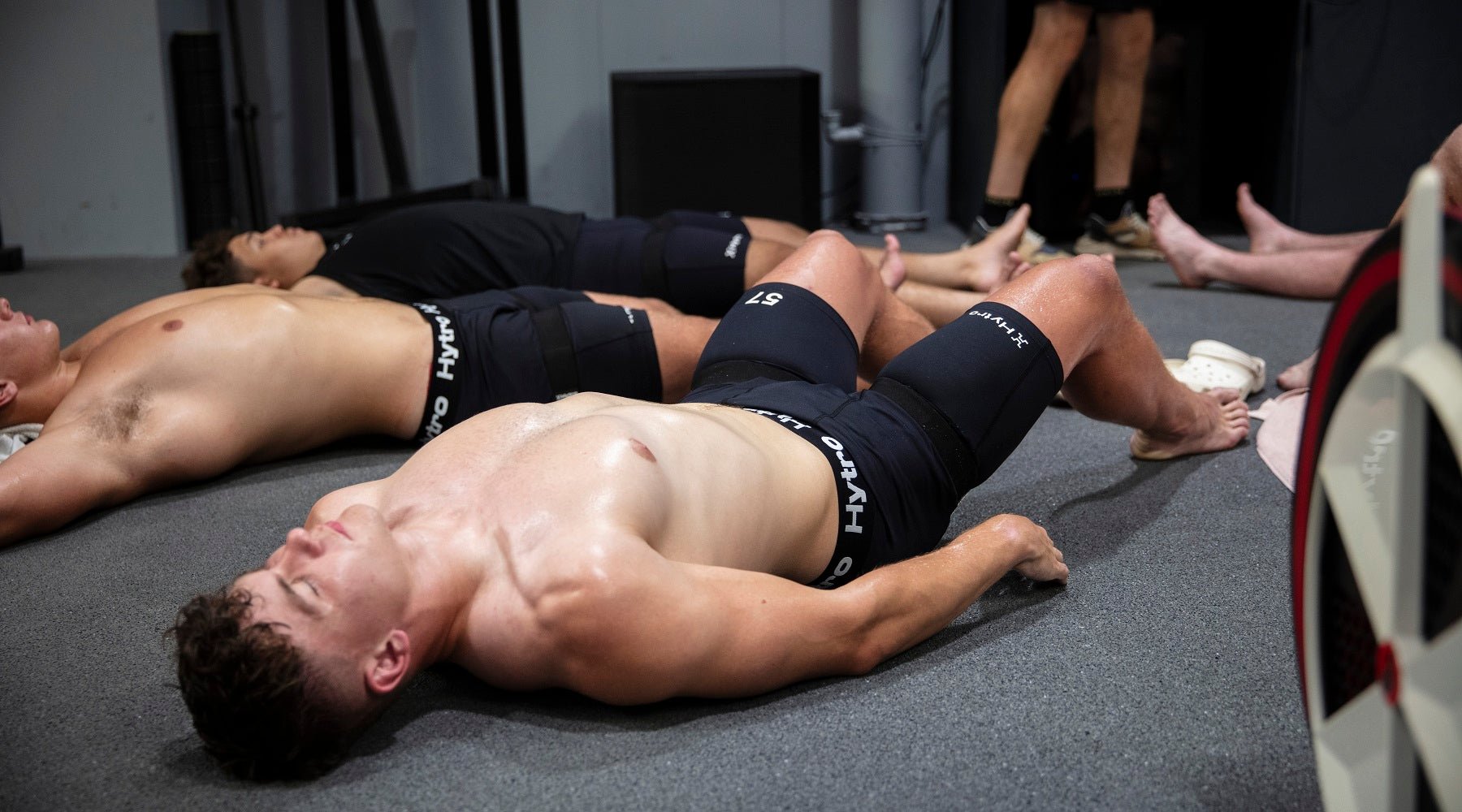
Hytro’s wearable design allows BFR to be applied quickly and without disruption. Players can use it independently during downtime, whether that is in the changing room, during travel between venues, or in recovery spaces between sessions.
Because it does not require fixed equipment or supervision, it can be deployed exactly when it is needed. This is particularly important in fast-moving environments where time is limited and access to facilities may vary.
It also supports consistency across the squad. Rather than relying on individual access to treatment or recovery stations, every player can follow the same process, ensuring a more uniform standard of preparation.
In environments where margins are small, maintaining session quality across the day can make a meaningful difference. Hytro provides a practical way to support that.
Research references
Christiansen D, Eibye KH, Hostrup M, Bangsbo J. Blood flow-restricted training enhances thigh glucose uptake during exercise and muscle antioxidant function in humans. Metabolism. 2019 Sep;98:1-15. doi: 10.1016/j.metabol.2019.06.003. Epub 2019 Jun 12. PMID: 31199953.
https://pubmed.ncbi.nlm.nih.gov/31199953/

Leave a comment
This site is protected by hCaptcha and the hCaptcha Privacy Policy and Terms of Service apply.