
In endurance sport, performance is rarely limited by effort alone. It is limited by how efficiently the body can deliver and use oxygen, and how quickly it can settle into a sustainable rhythm.
For runners and cyclists, the early stages of a session, race, or interval often set the tone. If oxygen delivery and utilisation are not where they need to be, the cost shows up quickly. Breathing feels harder than expected, pacing becomes inconsistent, and the effort required to hold intensity increases.
The challenge is preparing those systems without adding fatigue before the work has even begun.
Can BFR improve oxygen delivery and utilisation before exercise?
What the research shows
Research into Blood Flow Restriction and preconditioning strategies has highlighted its potential to influence oxygen-related responses before exercise.
By applying controlled restriction, BFR can increase local metabolic stress and stimulate vascular responses, which may enhance blood flow and oxygen delivery once the restriction is removed.
There is also evidence to suggest improvements in oxygen utilisation and muscular efficiency, particularly in the transition from rest to steady-state or high-intensity efforts.
Importantly, these effects can be achieved without adding meaningful mechanical load or fatigue, making BFR a viable option before training or competition.

How can runners and cyclists prepare their oxygen systems without adding fatigue?
What this means for athletes and coaches
Preparation becomes more targeted. Rather than relying solely on progressive warm-ups to “find” rhythm and efficiency, BFR offers a way to prime the system so that athletes reach that state earlier in the session.
For endurance athletes, this can mean smoother starts, more controlled pacing, and a reduced physiological cost in the opening phases of work.
It also provides a useful option on days when intensity is planned but time or energy for extended preparation is limited.

How do you use BFR before running or cycling sessions?
How it shows up in practice
In practice, BFR can be used before sessions, races, or key intervals. Short, low-pressure applications are typically introduced before movement begins or alongside the early stages of a warm-up. The goal is not to replace existing routines, but to enhance them.
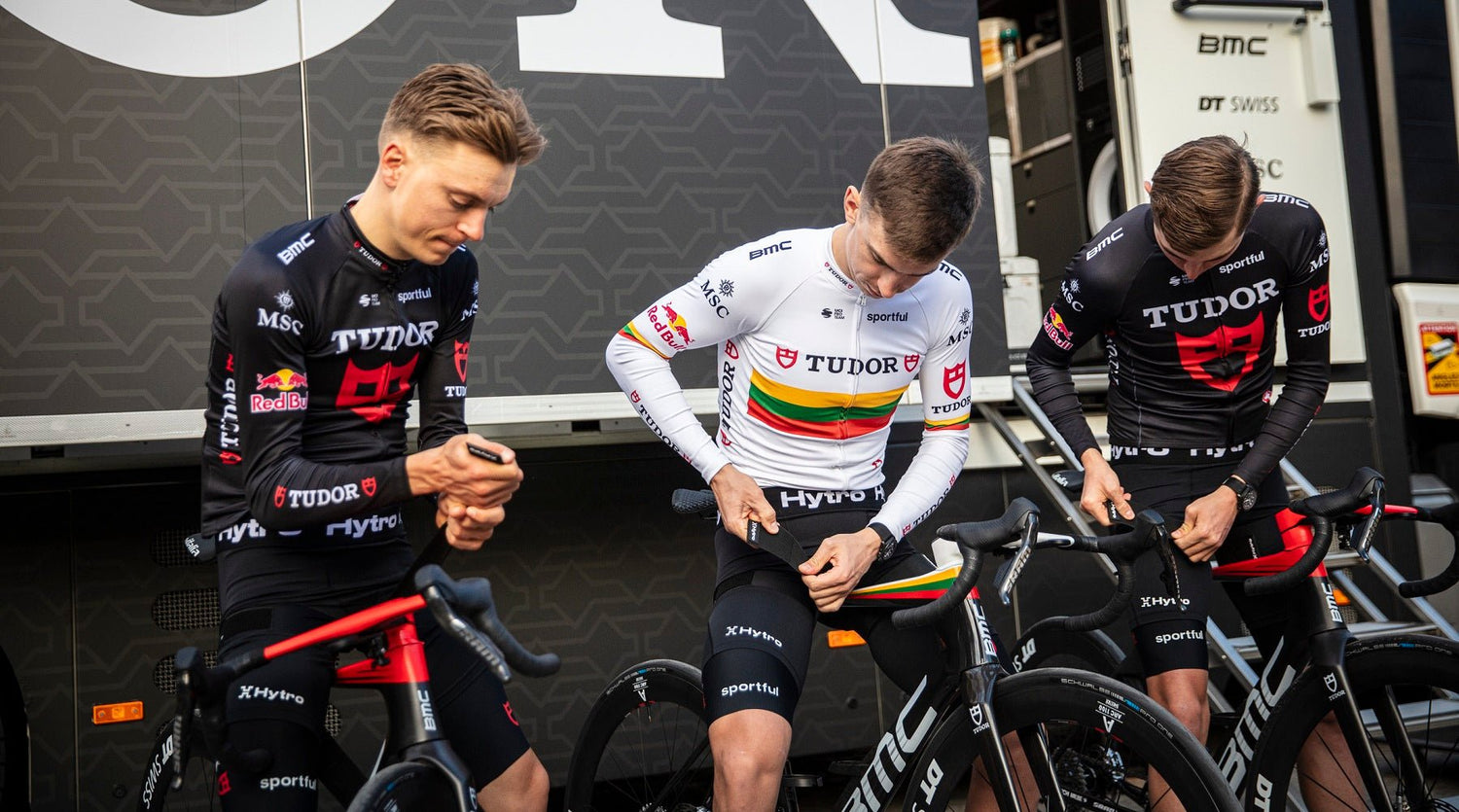
For runners, this may support a more efficient transition into tempo efforts or intervals. For cyclists, it can help reduce the lag often felt when moving from low intensity into sustained power outputs.
Across both, the outcome is similar. Less time spent “finding” the effort, and more time working at the intended intensity.
Over time, this can improve the quality and consistency of training sessions, particularly when fatigue or external constraints are present.

Where Hytro fits
For this type of priming to be effective, it needs to be simple and repeatable.
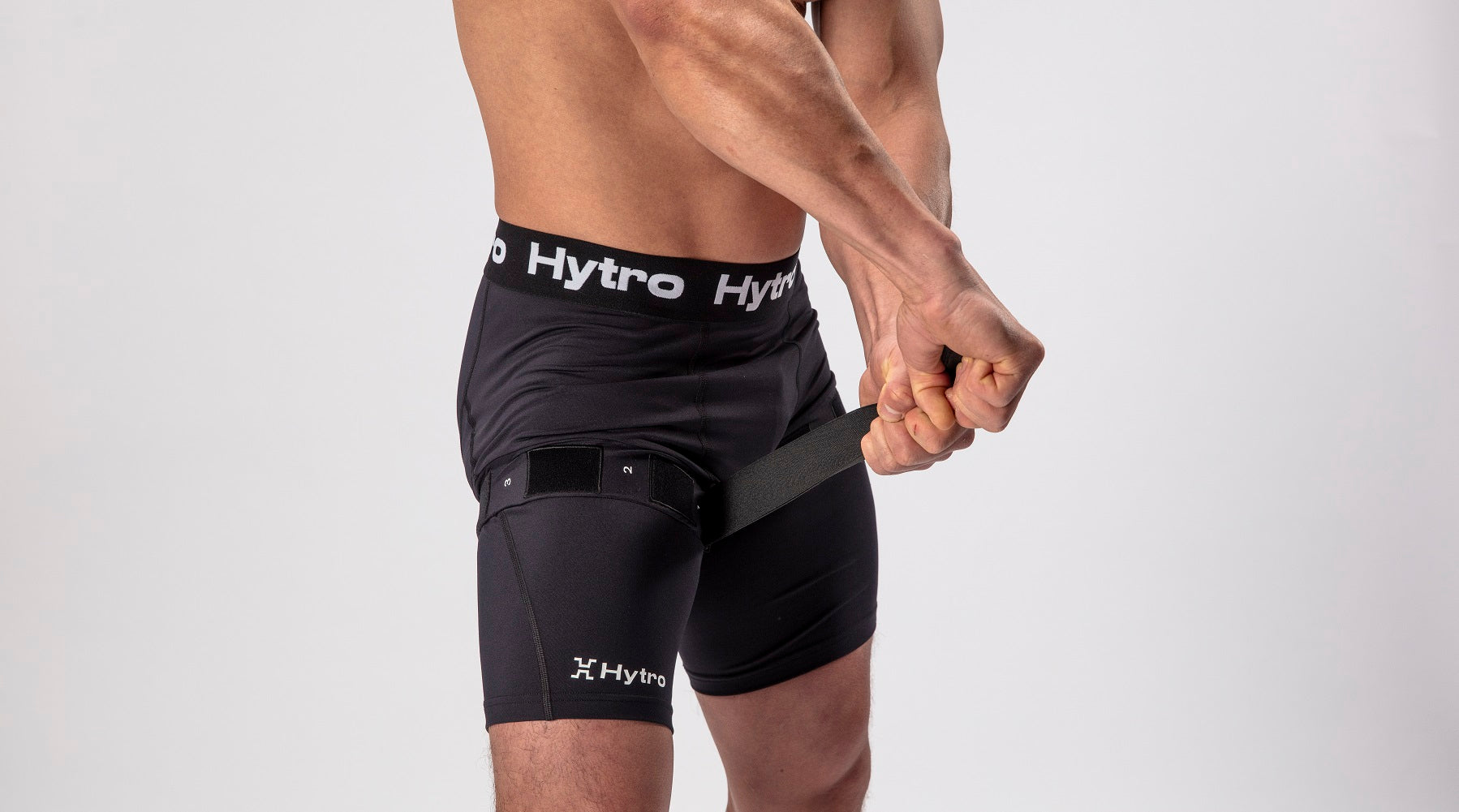
Hytro’s wearable BFR system allows athletes to apply BFR quickly, without disrupting their normal preparation. There is no need for a complex setup or supervision, which makes it easy to use before heading out for a run or getting on the bike.
Its portability is particularly relevant for endurance athletes. Preparation does not always happen in a controlled environment, and Hytro can be used at home, at the track, roadside, or at race start locations.
This makes it easier to build consistent routines around oxygen readiness, rather than relying on ideal conditions.
Because it does not add load, it complements rather than competes with the session ahead. The focus remains on performance, with preparation supporting rather than detracting from it.
Over time, that consistency in preparation can make a meaningful difference to how sessions feel, how pacing is controlled, and how performance is delivered.

Leave a comment
This site is protected by hCaptcha and the hCaptcha Privacy Policy and Terms of Service apply.