

By Jonah Rosner, Performance Coach & Sports Science Educator
Endurance training has evolved fast. Runners and hybrid athletes are training more, lifting more, and recovering with far greater precision than ever before. The demands have changed, and so have the methods used to meet them.
In this article, I break down how the modern endurance athlete is redefining performance through smarter fuelling, better recovery, strategic strength work, and where Performance BFR fits into that evolution. It’s one method, but it can be used in several ways, for recovery, for strength, or as a low-fatigue training stimulus, depending on what the athlete needs. I’ve coached runners long enough to notice a clear shift.
The modern endurance athlete is training more than ever before. They’re stacking mileage, doubling days, and chasing volume at levels that used to be reserved for elites. Some runners are now logging 120 to 160 miles per week. That kind of workload isn’t just aerobic endurance; it’s a full-time physiological job.
But high volume comes with a cost. You can’t simply run more; you have to recover smarter, lift stronger, and think scientifically. That’s what defines today’s modern athlete.

The recovery revolution
You can only train as hard as you can recover. And recovery is no longer something you do after training; it’s part of training itself. The reason is simple: when you recover faster, you can train more often and maintain higher quality throughout the week. That’s what allows today’s top runners to handle such large training volumes consistently. More than ever, recovery has become the foundation of sustainable high-volume training.
More than ever, recovery has become the foundation of sustainable high-volume training.
Fuelling for faster recovery
Runners are now fuelling with intent, not guesswork. Daily carbohydrate intake has increased significantly, often reaching 6–12 grams per kilogram of bodyweight for those logging high mileage.
During training and racing, the best results I’ve seen come when athletes fuel at 60–120 grams of carbohydrate per hour using glucose–fructose blends. It maintains steady energy, limits muscle breakdown, and helps them recover faster between sessions.
After hard runs or the first session of a double, I have athletes refuel immediately, usually around 1–1.2 grams of carbohydrate per kilogram per hour paired with protein to accelerate glycogen restoration and muscle repair. That quick refuelling window matters when there’s another session later in the day.
Fuelling more runs and eating more carbohydrates throughout the week helps replenish glycogen faster, supports muscle repair, and allows athletes to handle more training without feeling constantly depleted. Better fuelling means more energy, faster recovery, and far greater consistency.
We’re seeing a shift away from the old “train low” mindset, where runners limited carbohydrates to burn more fat, towards fuelling every session. Well-fuelled workouts lead to better recovery, higher-quality training, and stronger long-term adaptations.
Sleep: The ultimate recovery tool
Sleep remains the most powerful recovery enhancer available. Consistent, high-quality sleep restores glycogen, repairs muscle tissue, supports the immune system, and regulates key hormones involved in recovery and performance. When athletes prioritise fuelling and sleep, they recover faster, adapt better, and can sustain longer blocks of training without burnout or breakdown.

Performance BFR for recovery
One way I use BFR is to support recovery between sessions. While research on recovery benefits is still developing, some evidence suggests that using BFR after training may enhance circulation and help clear metabolic byproducts, which could support faster recovery.
Passive Recovery BFR, short bouts of five minutes on and two minutes off after training, is something many of my athletes find helpful. When the straps release, that surge of fresh blood often leaves their legs feeling lighter and less fatigued.
When the straps release, that surge of fresh blood often leaves their legs feeling lighter and less fatigued.
Others prefer active Recovery BFR, such as gentle cycling or walking while strapped in, to promote blood flow and ease soreness without adding mechanical stress to tired legs.
BFR can also provide a light training stimulus without heavy loading. It creates useful metabolic stress while limiting joint and tendon strain, offering a practical way to increase training volume or maintain adaptation during heavy blocks or recovery phases.
The strength shift
For years, runners treated strength work as optional. Now, it’s essential.
Strength training isn’t just about power, it’s about durability.
In Michele Zanini’s 2025 study, runners who added ten weeks of strength and plyometric work maintained their running economy far better during prolonged efforts. Their efficiency dropped by only 2% late in races, compared to nearly 5% in those who didn’t lift. When you build maximal strength, each stride costs less. You’re using a smaller percentage of your total force with every step, allowing you to hold pace longer and stay efficient when fatigue sets in.
Even the tendons adapt. In one study, heavy, slow resistance and isometric training increased Achilles and patellar tendon stiffness by roughly 39%, although results vary across research.
A stiffer Achilles tendon can take on more load during running, meaning the calf muscles don’t have to work as hard. When the tendon handles more force, the muscles use less energy each stride, lowering metabolic cost and improving running economy. In simple terms, the tendon does more of the work, so you can run at the same pace with less effort.
Performance BFR for strength
The challenge is balancing strength work with heavy run training. I’ve seen athletes who lift well but end up too fatigued to hit key sessions. Performance BFR helps bridge that gap. By restricting blood flow at light loads, around 20–30% of max, BFR can stimulate some of the same muscle and strength adaptations seen with heavier lifting, but with far less fatigue.
I’ve seen athletes who lift well but end up too fatigued to hit key sessions. Performance BFR helps bridge that gap.
Heavy strength training is still the gold standard for tendon and muscle development. But when recovery needs to be managed closely, BFR is a useful alternative. I often use it with athletes in peak marathon blocks to maintain strength and muscle stimulus without adding extra strain that could compromise run quality. It’s the same method as recovery BFR, simply applied with a different purpose.

The science-driven mindset
The modern athlete isn’t just running; they’re experimenting. They track sleep, monitor recovery, and pay close attention to how their body responds to different fuelling strategies.
The best athletes I work with are always asking questions:
• “How do I fuel smarter?”
• “How can I build strength without sacrificing recovery?”
• “When am I truly ready to push again?”
That curiosity is what drives progress. It’s not about grinding through fatigue anymore. It’s about understanding the small details that make training more consistent and sustainable over time.

The modern performance equation
The modern endurance athlete knows performance isn’t built on mileage alone. It comes from balancing strength, recovery, and science. When you train hard but recover with purpose, when you fuel with precision instead of habit, and when you use the right tools to protect your body and accelerate adaptation, that’s when performance compounds.
Performance BFR brings these elements together. It’s one method that supports recovery, maintains strength when fatigue is high, and helps athletes stay consistent through demanding training blocks.
Performance BFR brings these elements together. It’s one method that supports recovery, maintains strength when fatigue is high, and helps athletes stay consistent through demanding training blocks. That’s where today’s endurance athlete is heading. Smarter, stronger, and built to last.
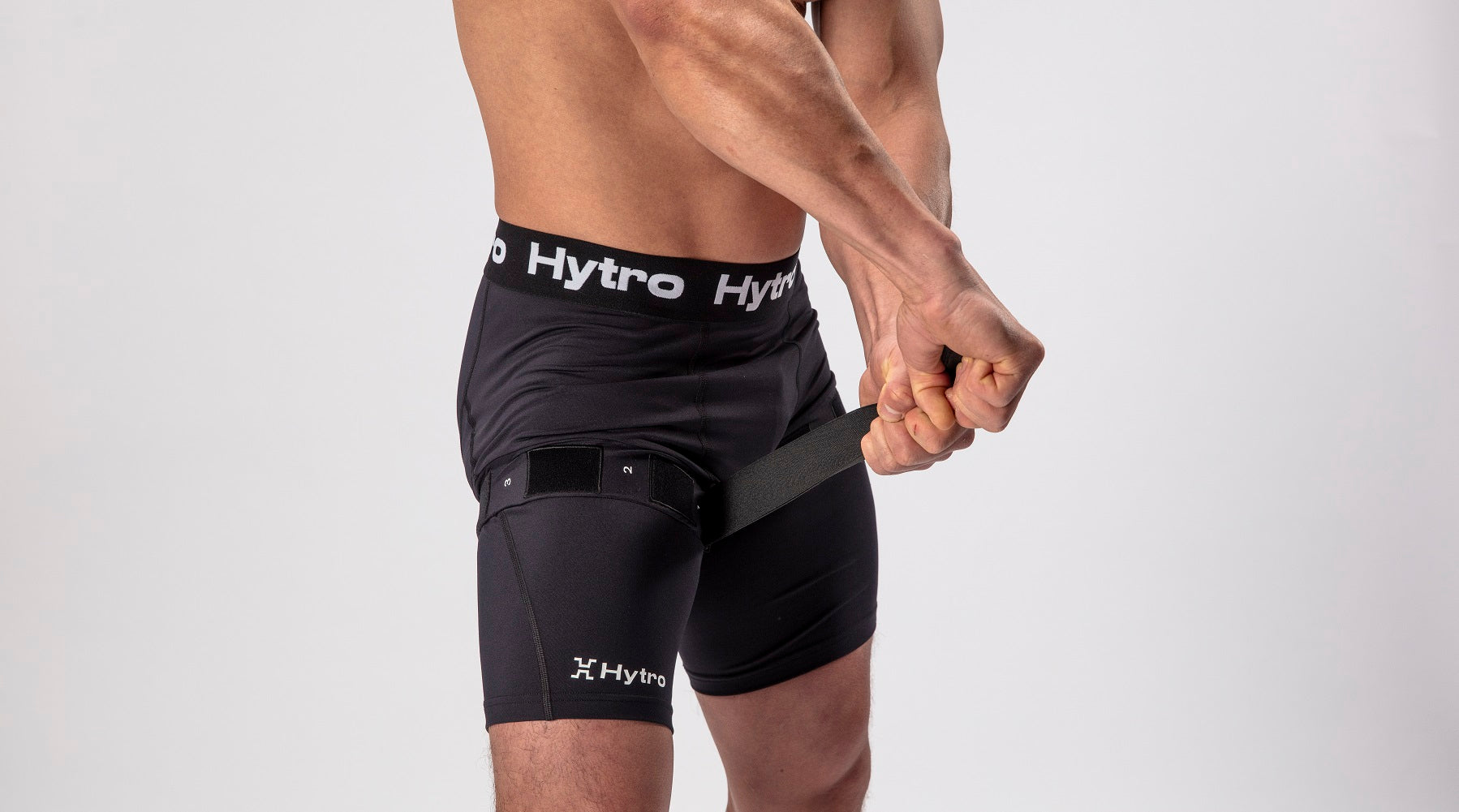
I use Hytro Performance BFR wearables due to their simplicity and versatility. Every endurance athlete should be incorporating BFR as an effective tool, and Hytro is the solution I recommend. Explore the wearables here.



Leave a comment
This site is protected by hCaptcha and the hCaptcha Privacy Policy and Terms of Service apply.