
Training without making things worse
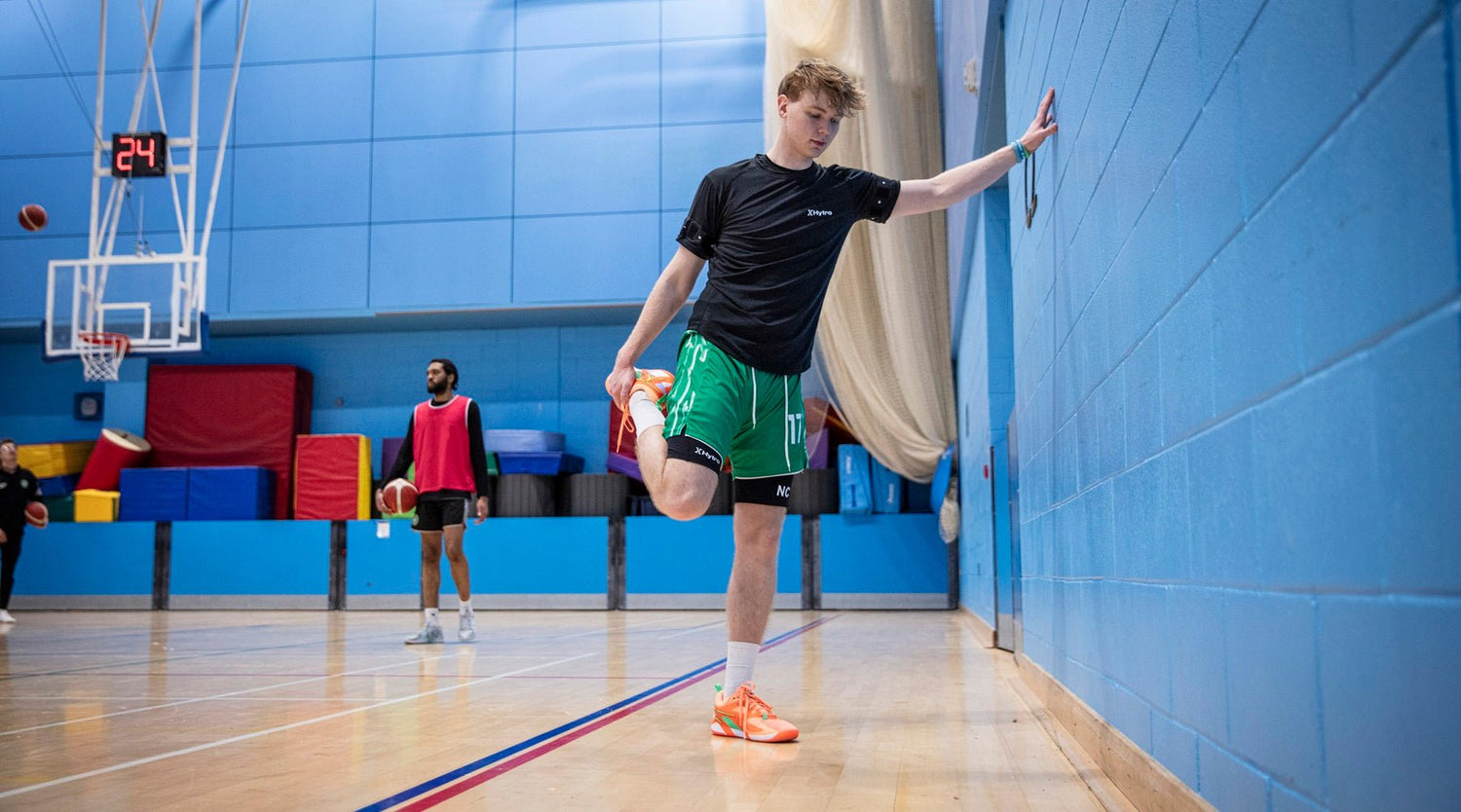
Tendon issues are a constant challenge in high-performance sport. They are often reactive to load, difficult to manage, and can limit an athlete’s ability to train consistently. The goal is rarely complete rest. It is finding a way to continue training without exacerbating symptoms.
What the research shows
BFR allows for meaningful muscular stimulus at lower loads, which reduces the mechanical stress placed on tendons.
This creates an opportunity to maintain strength and muscle function while limiting the load that may aggravate tendon pain. Emerging research suggests that BFR may also support adaptations in tendon properties, although this area continues to develop.

What this means for coaches
Load management becomes more flexible. Instead of removing stimulus entirely, BFR allows athletes to continue training in a way that is better tolerated. This supports ongoing development while reducing the risk of aggravating symptoms.
It also helps maintain muscle strength, which is often lost when training is reduced due to pain.
How it shows up in practice
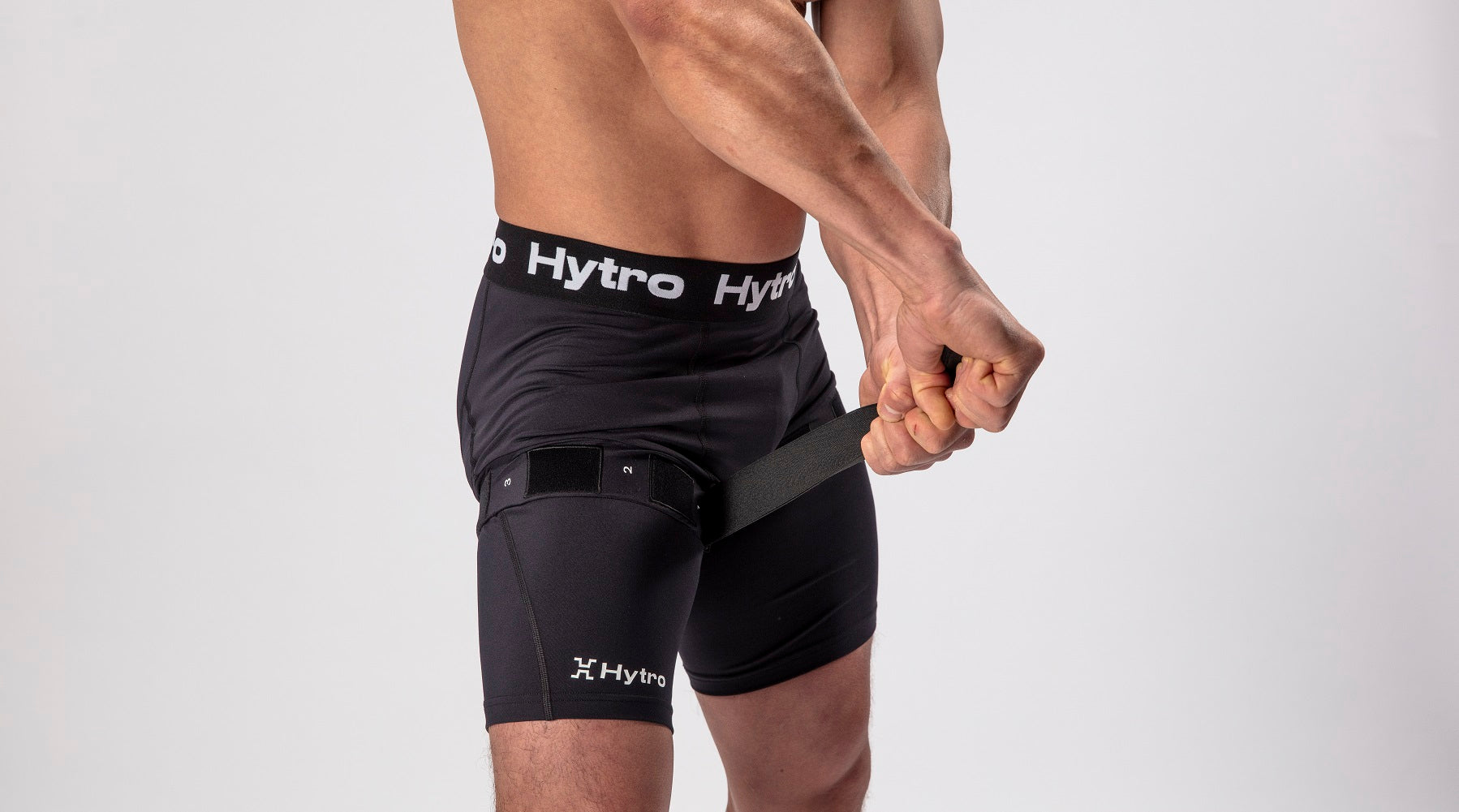
Hytro BFR can be used as part of modified strength programmes where the load needs to be reduced. Exercises are performed at lower intensities, with BFR providing the stimulus that would normally require heavier loading. This allows athletes to continue training while managing symptoms more effectively.
It can also be integrated into broader rehab or management strategies.

Where Hytro fits
Managing tendon issues requires consistency and control.
Hytro’s wearable system system allows athletes to apply BFR easily as part of their daily training or rehab routine. Because it can be used independently, it supports more frequent application without increasing reliance on staff or specific environments.
Its portability also means it can be used across different settings, whether that is in the gym, at home, or as part of a wider recovery plan.
By making BFR accessible and repeatable, Hytro helps athletes stay engaged in training, even when managing ongoing tendon issues.
Research references
Centner C, Lauber B, Seynnes OR, Jerger S, Sohnius T, Gollhofer A, König D. Low-load blood flow restriction training induces similar morphological and mechanical Achilles tendon adaptations compared with high-load resistance training. J Appl Physiol (1985). 2019 Dec 1;127(6):1660-1667. doi: 10.1152/japplphysiol.00602.2019. Epub 2019 Nov 14. PMID: 31725362.
Explore more of the research behind BFR and its role in performance and recovery.


Leave a comment
This site is protected by hCaptcha and the hCaptcha Privacy Policy and Terms of Service apply.